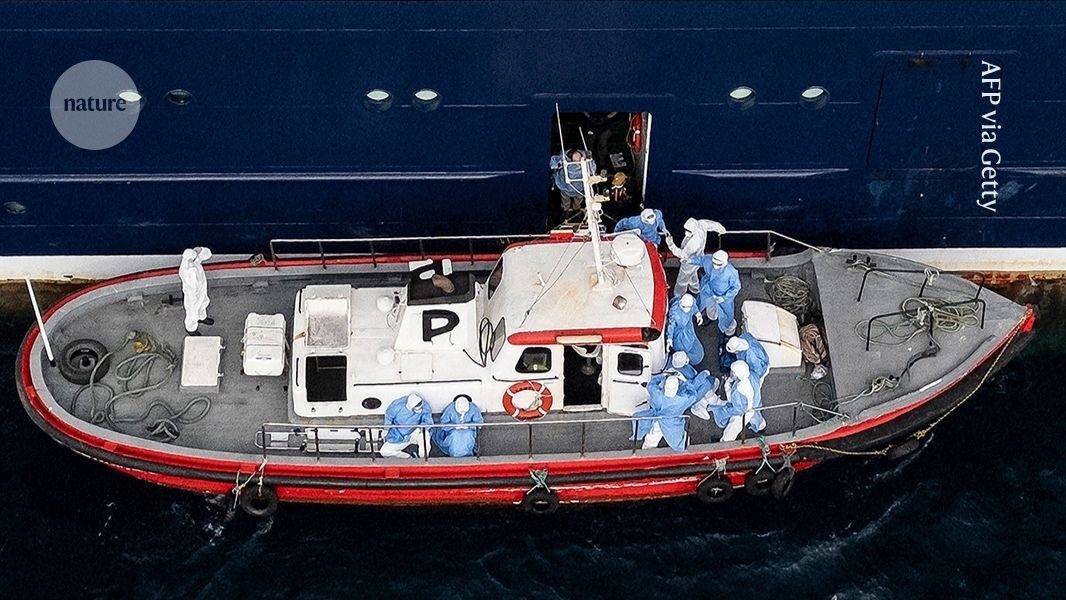
Hantavirus typically spreads through the air, in particles from rodent urine, droppings or saliva. But some strains can occasionally spread between people who are in close contact. One of these strains, called Andes virus, is responsible for an ongoing outbreak in Argentina, and World Health Organization director-general Tedros Adhanom Ghebreyesus has confirmed that the passengers were infected with this strain, for which there are no specific treatments or vaccines. Scientists suspect that some of the travellers might have been infected in Argentina before boarding the cruise. Although hantavirus infections are rare, some strains have a fatality rate of up to 50%. For more than three decades, Jay Hooper, a virologist at the US Army Medical Research Institute of Infectious Diseases in Frederick, Maryland, has been working to develop a vaccine against several strains of hantavirus that can infect people, including the Andes virus. Some people have suggested, and I have said it...
learn more