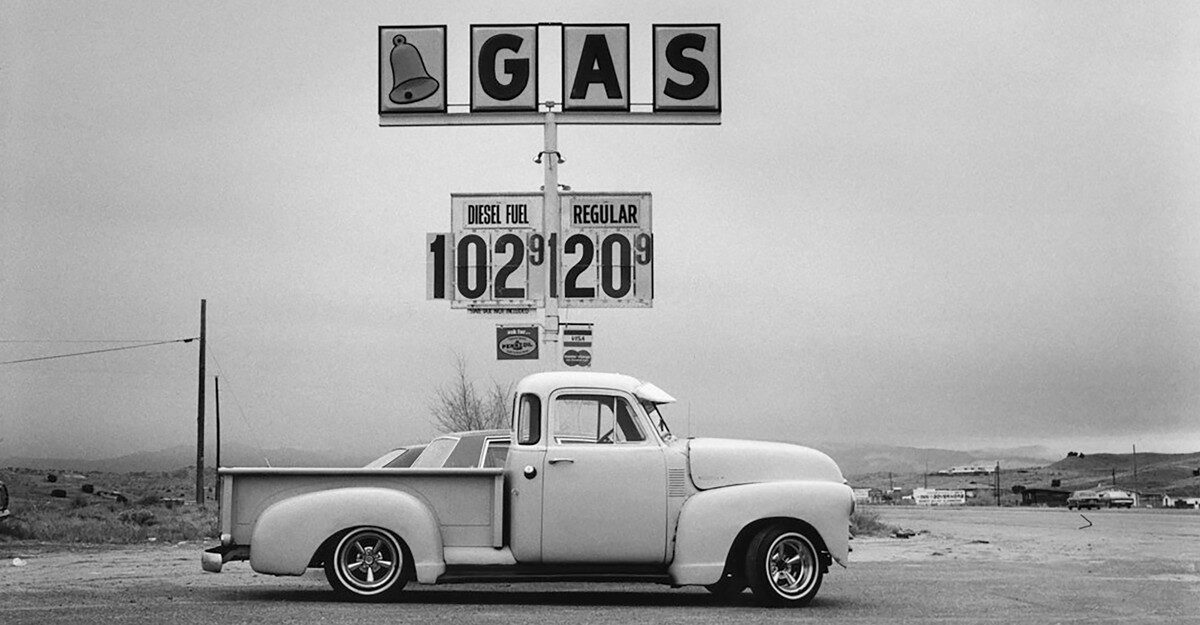
Adorning urban intersections and rising high at countryside interstate exits, the gas-station sign announces the mood of the consumer economy. For the past several weeks, the economic ramifications of the Iran war have been more or less universally represented through photographs and videos of them. It's easy to see why: The price of gasoline is always displayed on the sign, in huge numbers that overwhelm the rest of the scene. That design, which is unlike anything else in the economy, makes the gas-price sign a kind of key to understanding American life. Long before financial data were easily trackable in real time, gasoline offered a view of shifting market forces, seen while commuting to work or driving home from Kmart. In the analog era, workers replaced the numbers on reader boards multiple times a day, occasionally from high up on ladders. Eventually, the signs were digitized and prices were lit up in LED displays'easily changeable and neon at night. Drivers'which, in America,...
learn more