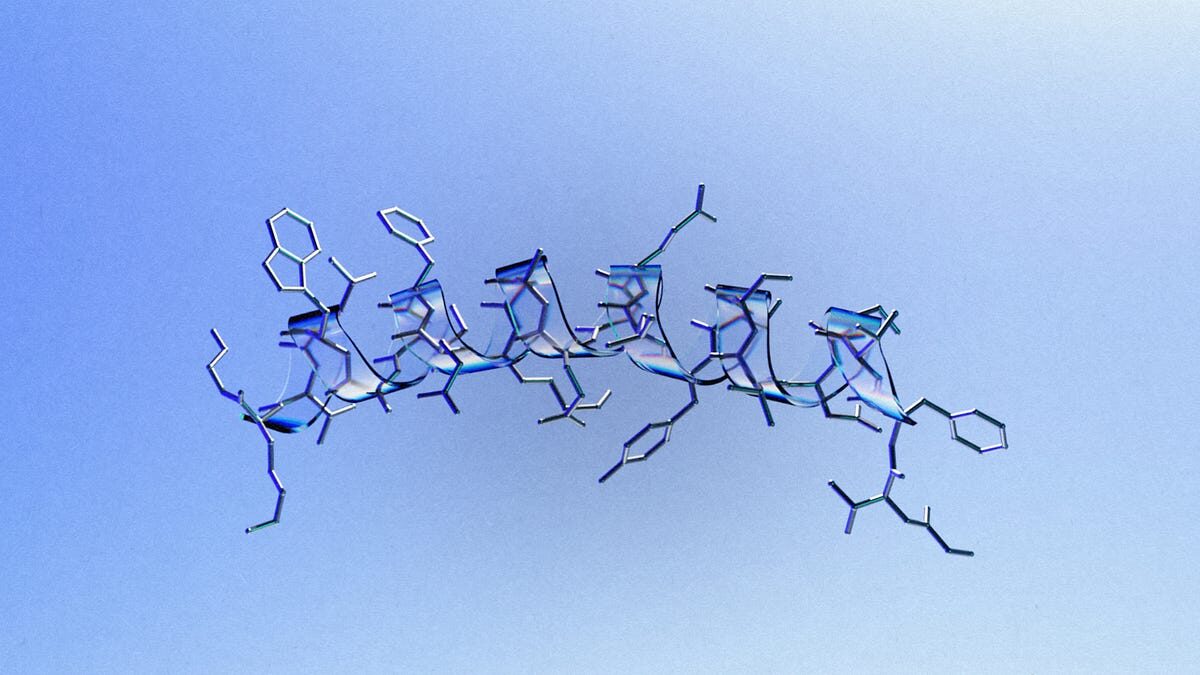
Researchers have known that the pancreas secretes several peptide hormones critical to metabolic regulation, most notably insulin and glucagon, since the early 1900s. With the advent of recombinant peptide synthesis in the 1970s, scientists not only began working on isolating the gene responsible for insulin production but fabricating it outside the body. In 1978, scientists at Genentech turned bacteria into factories able to transform sugar into insulin by cutting the insulin gene from the human genome and pasting it into the genome of E. coli. This breakthrough allowed peptide drugs to be synthesized at mass scale, without needing to be harvested from animal pancreases, and gave birth to the biotechnology industry. The role of glucagon and the gene encoding it, however, remained elusive. Then, in 1982, Joel Habener and colleagues at Massachusetts General Hospital (MGH) published a paper indicating not only that they had located the human glucagon gene, but that it actually encoded...
learn more