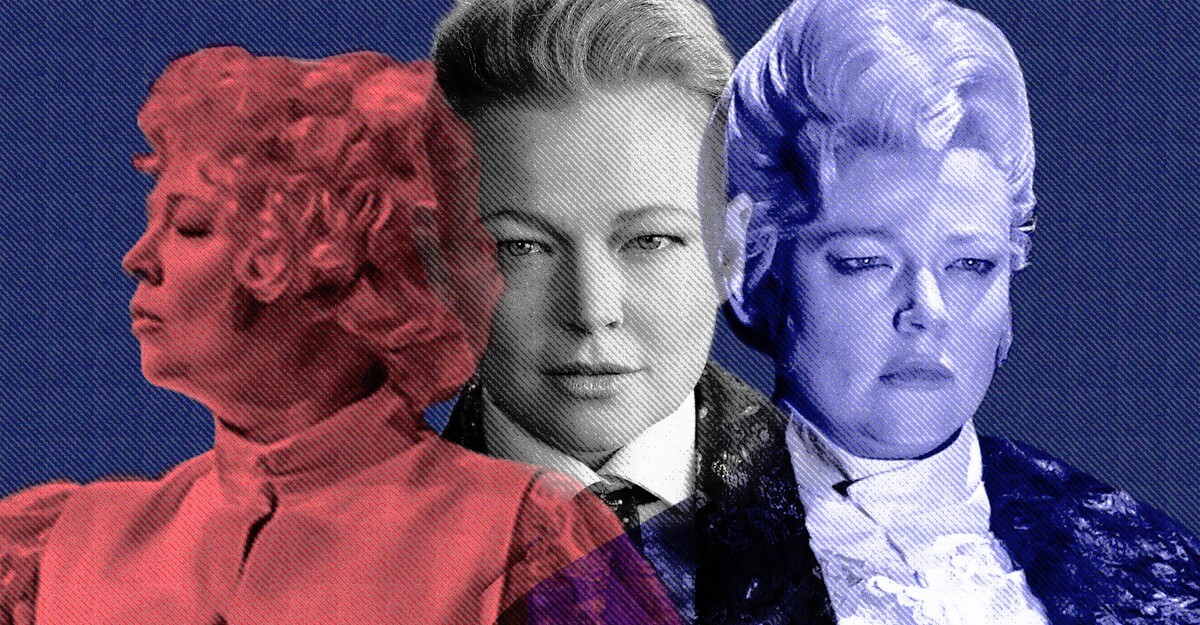
In some ways, Oscar Wilde's 1890 novel, The Picture of Dorian Gray, a horror-tinged Victorian critique of the perils of existing in thrall to one's own image, is a story ready-made for 2025. The title character, a young man of striking beauty, begins the novel as a vain but apparently harmless naif. By the end, his possession of a magical portrait that ages and bears the physical marks of his sins while his own face and body remain unchangingly youthful and innocent has turned him into a monster. It's an intentionally superficial edit of the Faust story: A man barters away his soul in exchange for his heart's desire, but rather than yearning for something tinged with nobility'true wisdom, say, or love'he just wants to be gorgeous, forever. He gives up substance for surface; that is his tragedy. And oh, does Sarah Snook's new one-actor take on The Picture of Dorian Gray, now on Broadway, make hay of the obvious parallels to our time, in which social media has made the drive to...
learn more