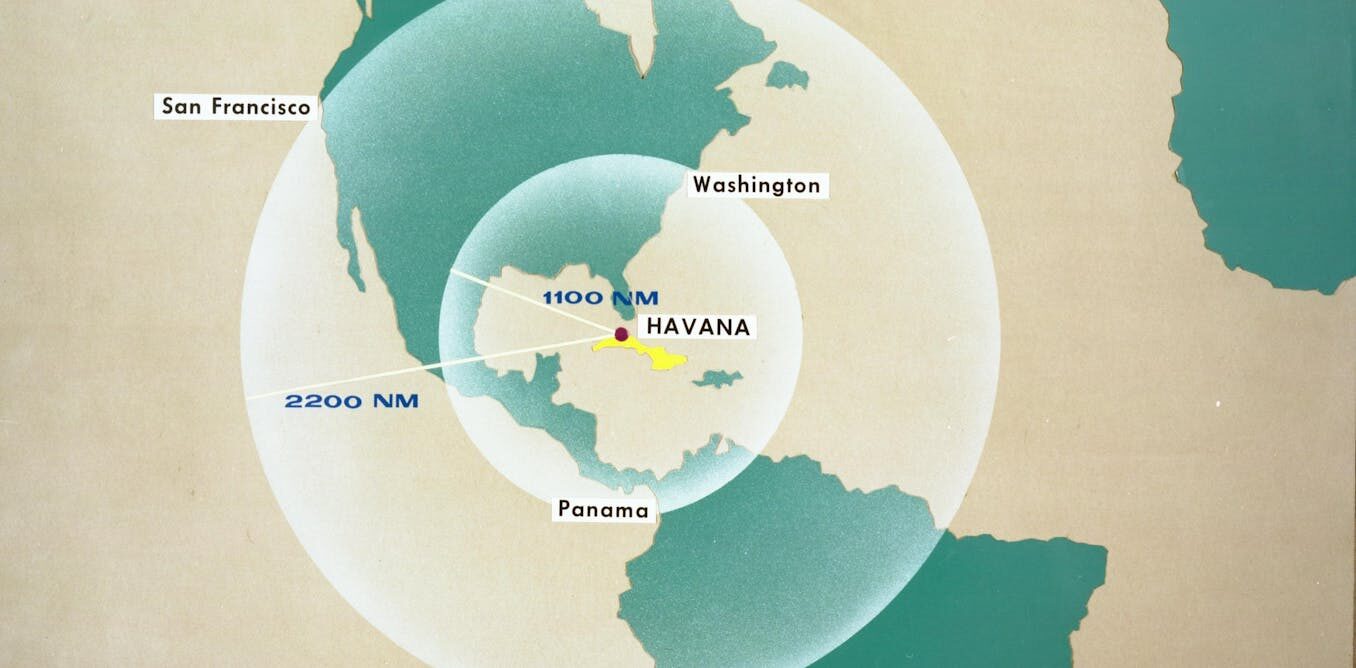
Sixty-three years ago, President John F. Kennedy single-handedly brought the world back from the brink of nuclear war by staring down Soviet leader Nikita Khrushchev over the Cuban missile crisis. At least, so goes a standard U.S.-centric interpretation of events. As an expert in Latin American and Cold War history with a new book on the topic, I argue that when it comes to the Cuban missile crisis, it took a proverbial regional village to avert catastrophe. Indeed, the United States did not solve or experience the drama alone. Much as in geopolitics today, the Cuban missile crisis took place in a complicated environment where the entire hemisphere both reckoned with and helped shape the realities of American power and regional dominance. On the evening of Oct. 22, 1962, Kennedy took to the airwaves and revealed to a live international audience that the Soviet Union had secretly placed nuclear-armed missiles in Cuba capable of reaching most of the mainland U.S. and Latin America....
learn more