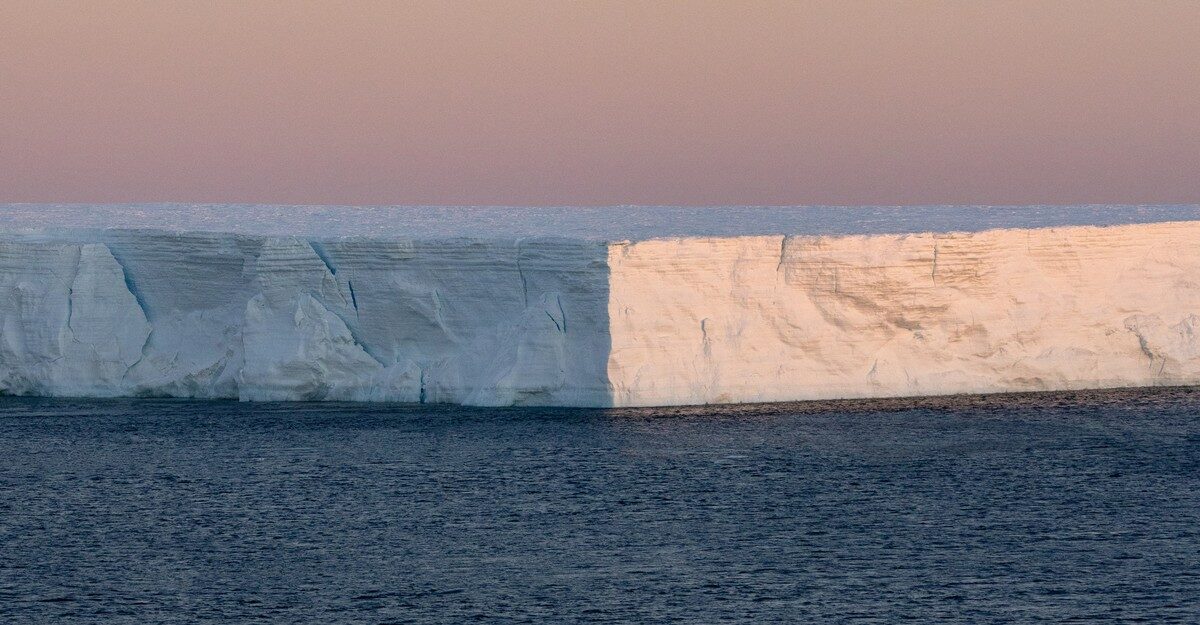
This month, an international team of scientists has been trying to set up sensors on and around Thwaites Glacier, one of the most unstable in the world. It's often called Antarctica's 'doomsday glacier' because, if it collapses, it would add two feet of sea-level rise to the world's oceans. On Thwaites itself, part of the team will try today to drop a fiber-optic cable through a 3,200-foot borehole in the ice, near the glacier's grounding line, where the ocean is eating away at it from below. Sometime in the next week, another part of the team, working from the South Korean icebreaker RV Araon, aims to drop another cable, which a robot will traverse once a day, down to a rocky moraine in the Amundsen Sea. The data the sensors gather over the next two years will fill gaps in basic scientific knowledge about Thawaites. They will also determine the future of an audacious idea to slow its demise. Right now, warm water is barely cresting the moraine, then flowing down a seabed canyon...
learn more