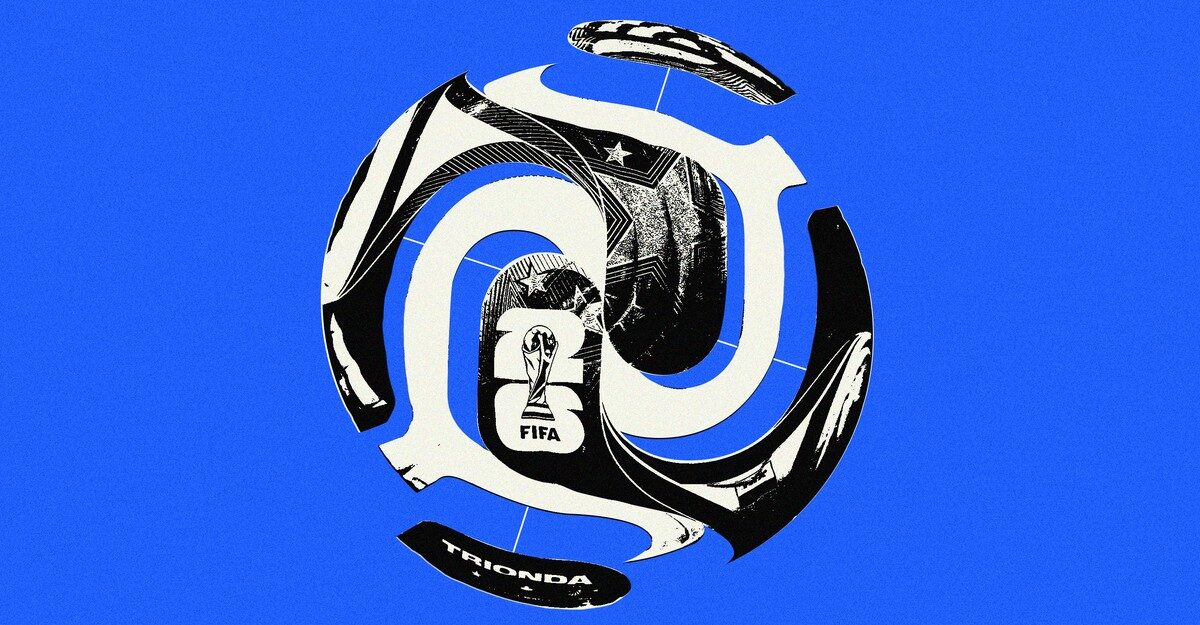
Eight years ago, when FIFA selected the United States, Mexico, and Canada to host the 2026 World Cup, the organization imagined a sprawling tournament that would reflect a strong partnership and solidarity among the countries. Three nations would co-host the matches for the first time in the tournament's history, and millions of fans would travel across borders to watch. That vision of unity has not aged well. The games are set to start tomorrow, but immigration restrictions, trade disputes, security concerns, and a new wave of U.S. nationalism under President Trump have resulted in an unusual geopolitical experiment: a World Cup that will test how divided North America has become. 'Few things can connect societies like a joint World Cup bid,' Arturo Sarukhan, a former ambassador of Mexico to the U.S., told me. He had advocated for this joint tournament bid, and had understood it as a chance to show the 'optimism' and 'shared prosperity' of the continent. The tri-host tournament was...
learn more