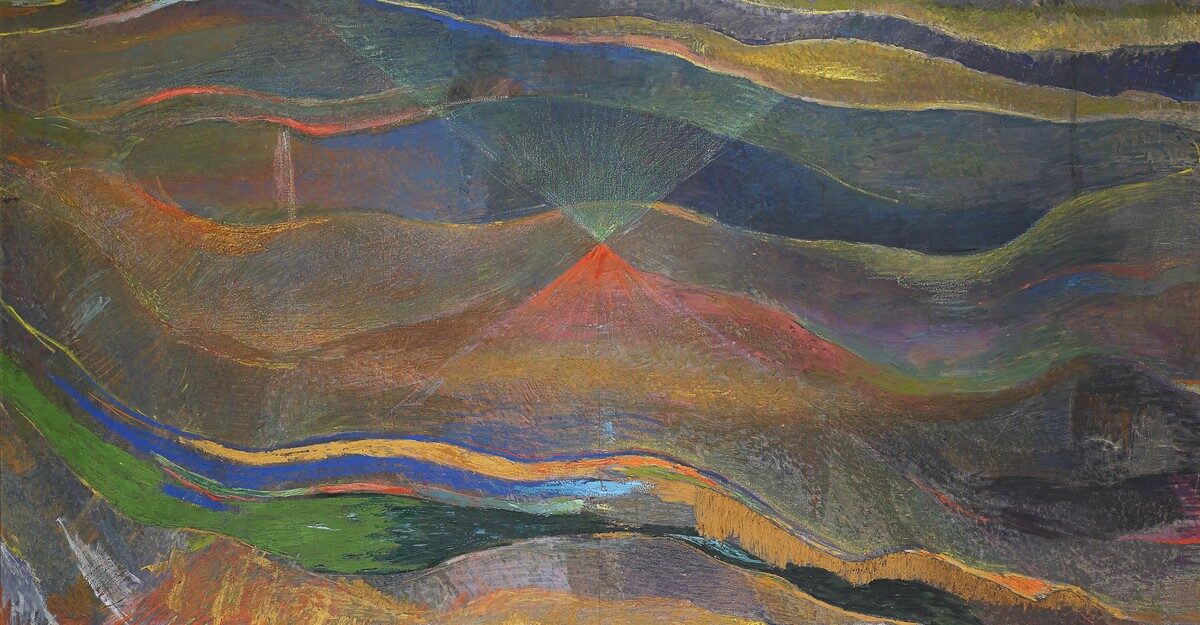
Early in his 2009 BBC documentary, Why Beauty Matters, the late conservative philosopher Roger Scruton described seeing Michelangelo's Pieta for the first time. Gazing on the 15th-century sculpture, which depicts Mary holding Christ after the crucifixion, was a 'transporting experience' for Scruton and informed his later view that art can, in its pursuit of beauty, 'raise us to a higher moral or spiritual plane.' As he said in the film, 'My life was changed by this.' To Scruton, the contemporary art popularized in Europe and North America throughout much of the 20th century could never provoke such a transformation in a viewer. He argued that abstract, experimental, and conceptual art merely strives to 'disturb' or 'break moral taboos.' He referred repeatedly to Marcel Duchamp's 1917 work Fountain, an inverted urinal, as emblematic of an artistic propensity to shock and assert that 'anything is art.' Many other traditionalists have made a version of Scruton's critique, insisting...
learn more