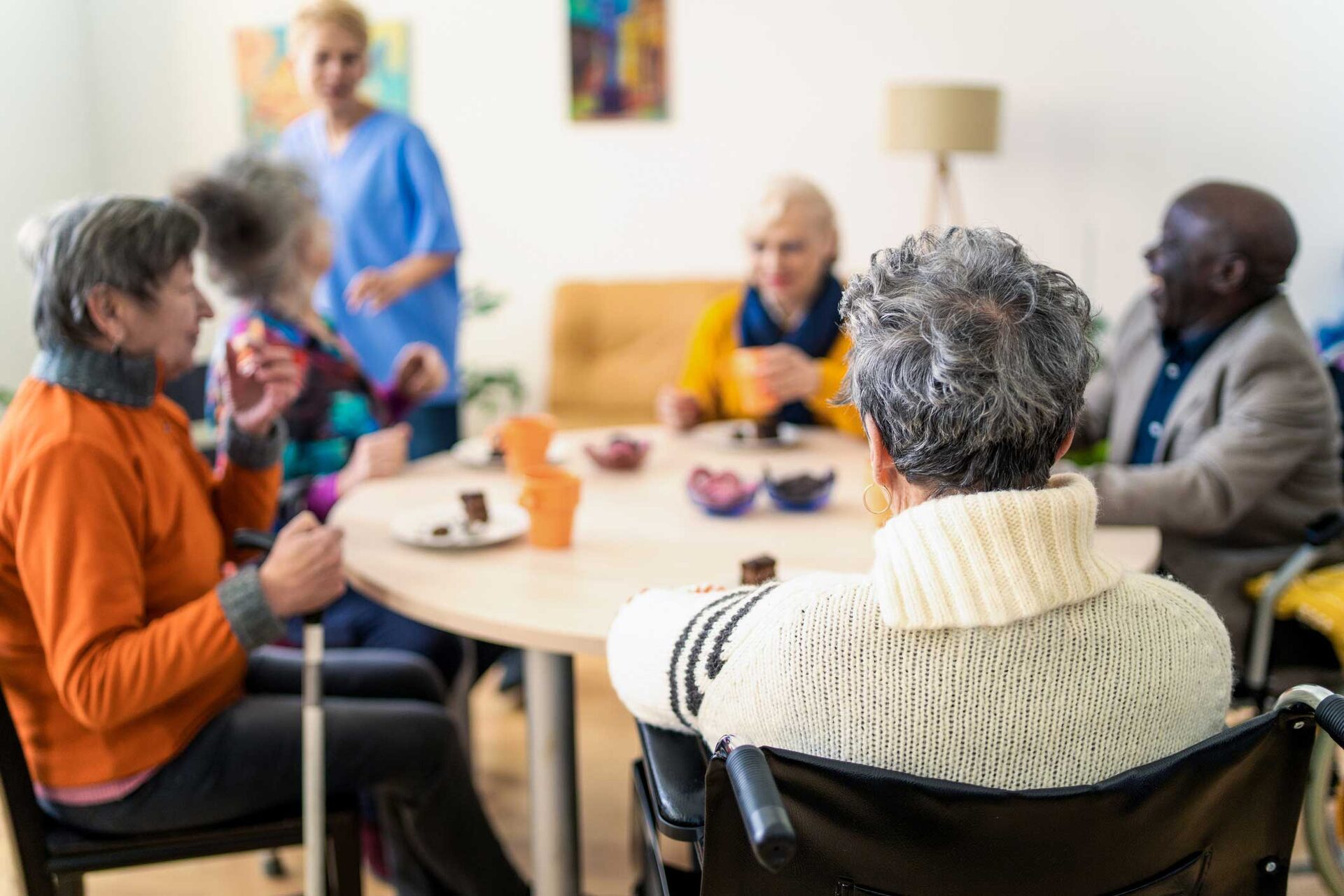
Good caregivers are often in short supply, but after the Covid-19 pandemic hit the U.S. in early 2020, staff levels at nursing homes dropped by 10 percent. What was a simple personnel shortage has moved closer to being a nursing-care crisis. As it happens, about one-fifth of health care support workers in the U.S. are immigrants. And as a newly published study of the nation's metro areas shows, changes in immigration levels can affect how much nursing care the elderly receive. Overall, Gruber and his colleagues determined that when there is more immigration, registered nurses and other aides work more hours at nursing homes, without displacing already-employed caregivers, while patient outcomes improve. Essentially, a 10 percent increase in female immigrants in a given metro area leads to a 1.1 percent increase in hours that registered nurses spend with elderly patients, while hospitalizations for those patients drop, among other things. 'Even if immigration actually increases labor...
learn more