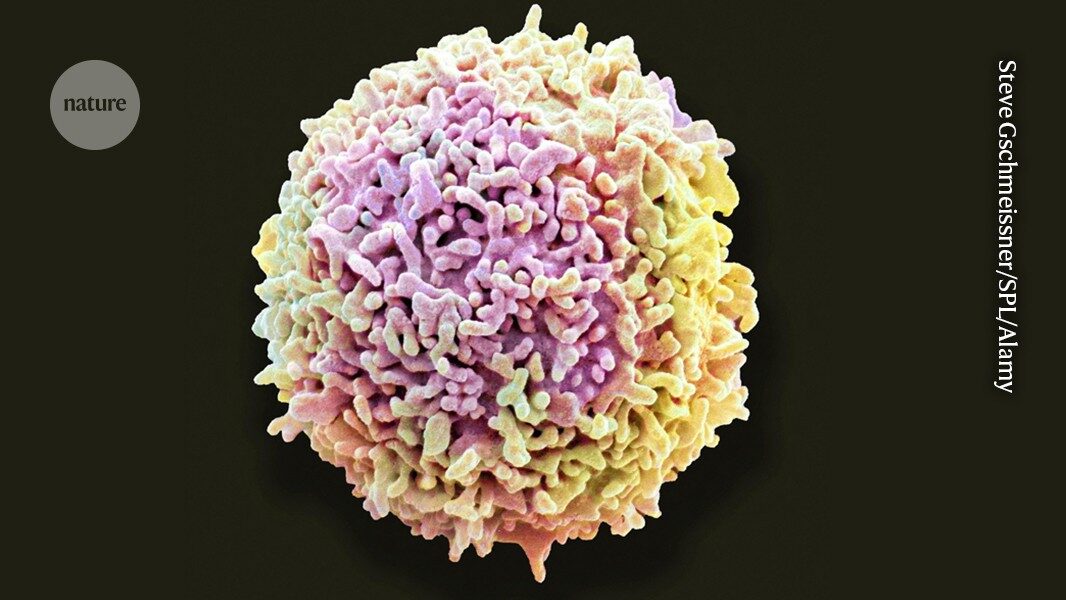
The brain is shielded by protective membranes called meninges, which guard the central nervous system against pathogens circulating in the blood. When mice in the study were infected with common bacteria and parasites that cause intestinal illness, immune cells journeyed from the gut to the meninges. Once there, the cells became residents that responded to a second round of infection more than a month after the first, suggesting that they kept a record of past illnesses. The study is 'outstanding' and could help researchers to learn more about how the gut interacts with the central nervous system, says Francisco Quintana, a neuroimmunologist at Harvard University in Cambridge, Massachusetts. 'It opens up several possibilities,' he says, such as exploring how gut infections might affect neurological disorders, and developing therapies that harness that relationship. Previous studies have found that, under healthy conditions, some types of immune cell found in the gut are also housed...
learn more