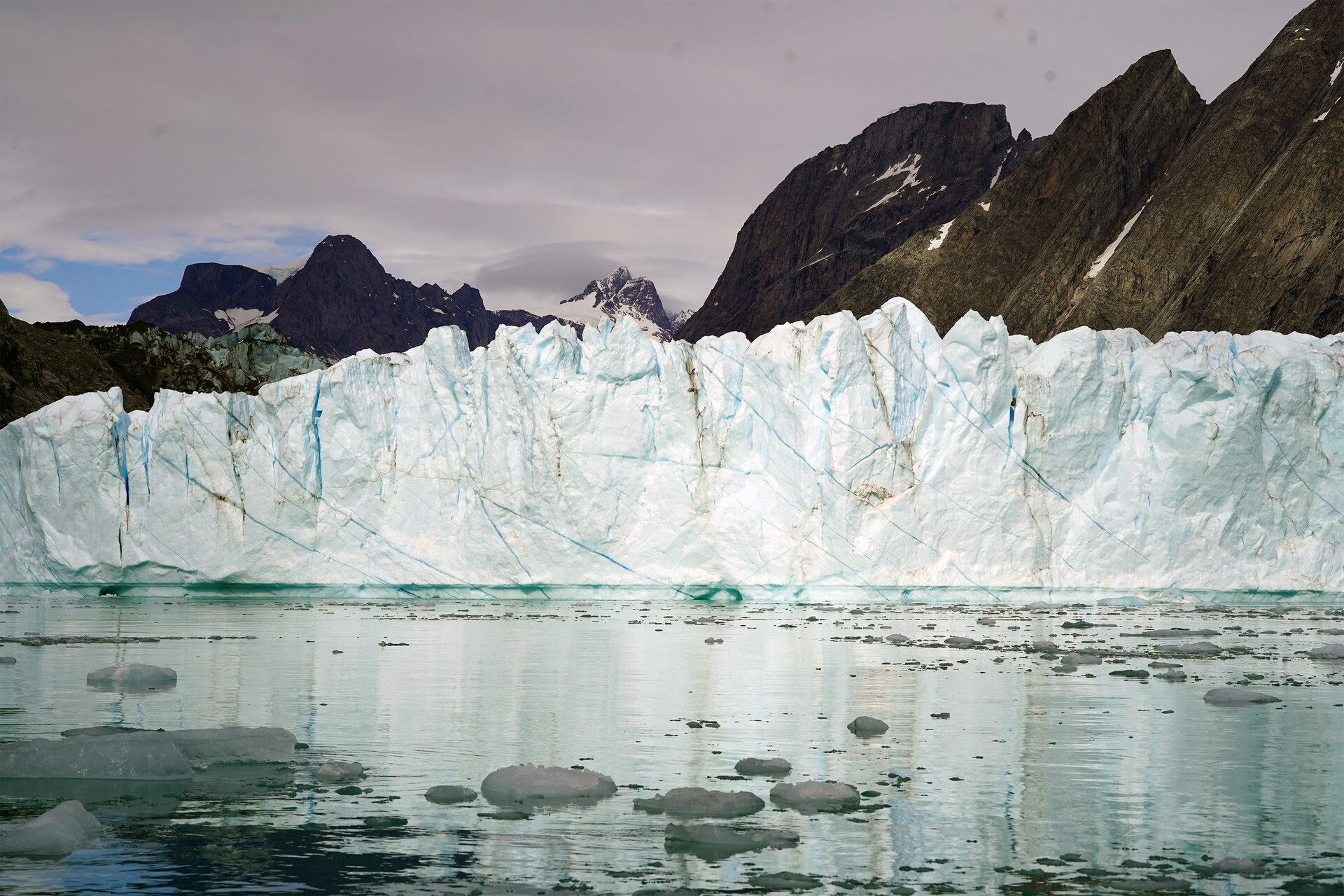
With rising temperatures, the buttressing ice shelves at the edges the Antarctic ice sheet are melting and calving off at record rates, leaving behind sheer cliffs of solid ice. The stability of these exposed ice cliffs could influence how Antarctica further breaks apart and contributes to sea level rise around the world. Scientists have assumed that an ice cliff's stability depends on its height: Ice cliffs that are taller than 100 meters ' about the height of the Statue of Liberty ' should collapse under their own weight. And once a cliff sloughs off, it should expose even taller, inland cliffs that collapse in turn. At least, that's been the idea. But researchers at MIT and the Woods Hole Oceanographic Institution (WHOI) have found that the stability of an ice cliff depends on more than its height. And even when a cliff topples, it doesn't necessarily set off a runaway collapse. In a study appearing today in Science, the team presents an analysis of over 15,000 ice cliffs in...
learn more