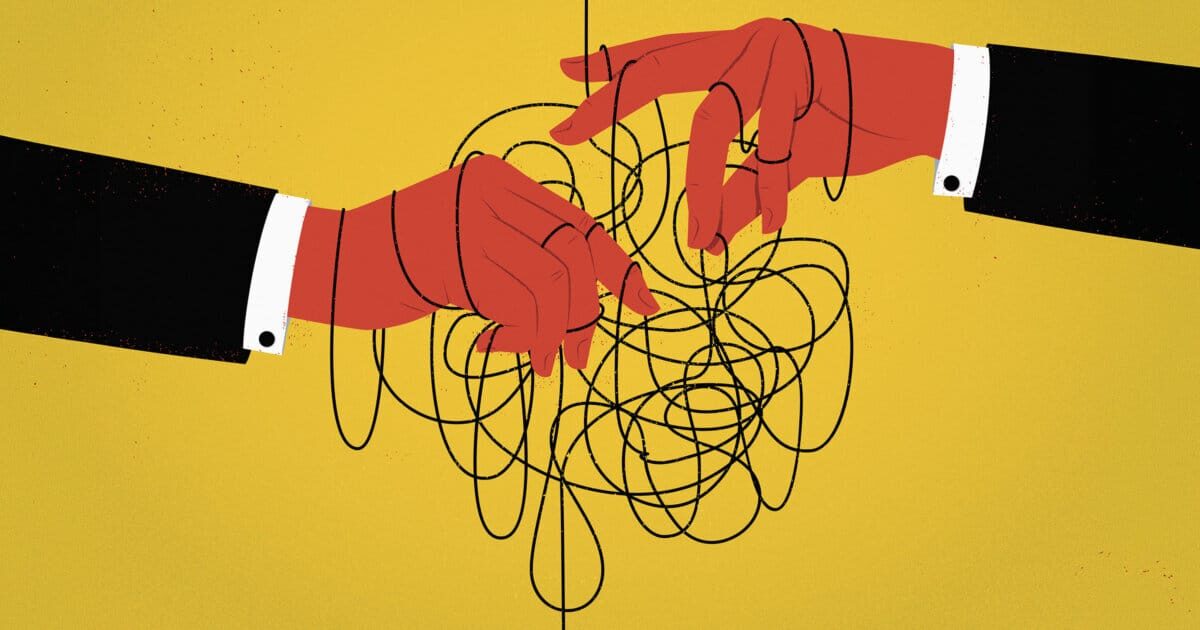
As AI systems take on more organizational decision-making, traditional models of accountability ' focused on identifying a single culprit when something goes wrong ' are breaking down. Drawing on recent research, the authors introduce narrative responsibility, a framework that maps the real story behind failures, distributes ownership across teams, and embeds ongoing reflection into everyday practice. This approach is essential for organizations navigating the complexity of AI-enabled decisions. Early one morning in 2018, a self-driving Uber vehicle fatally struck a pedestrian in Tempe, Arizona. The world had questions: Who was responsible' Was it the safety driver behind the wheel' The engineers who designed the algorithms' Uber's leadership' Or the regulators who had allowed autonomous-vehicle testing' The inability to name a single culprit signaled a profound shift in how responsibility must be understood and attributed in the age of intelligent technologies. As organizations...
learn more