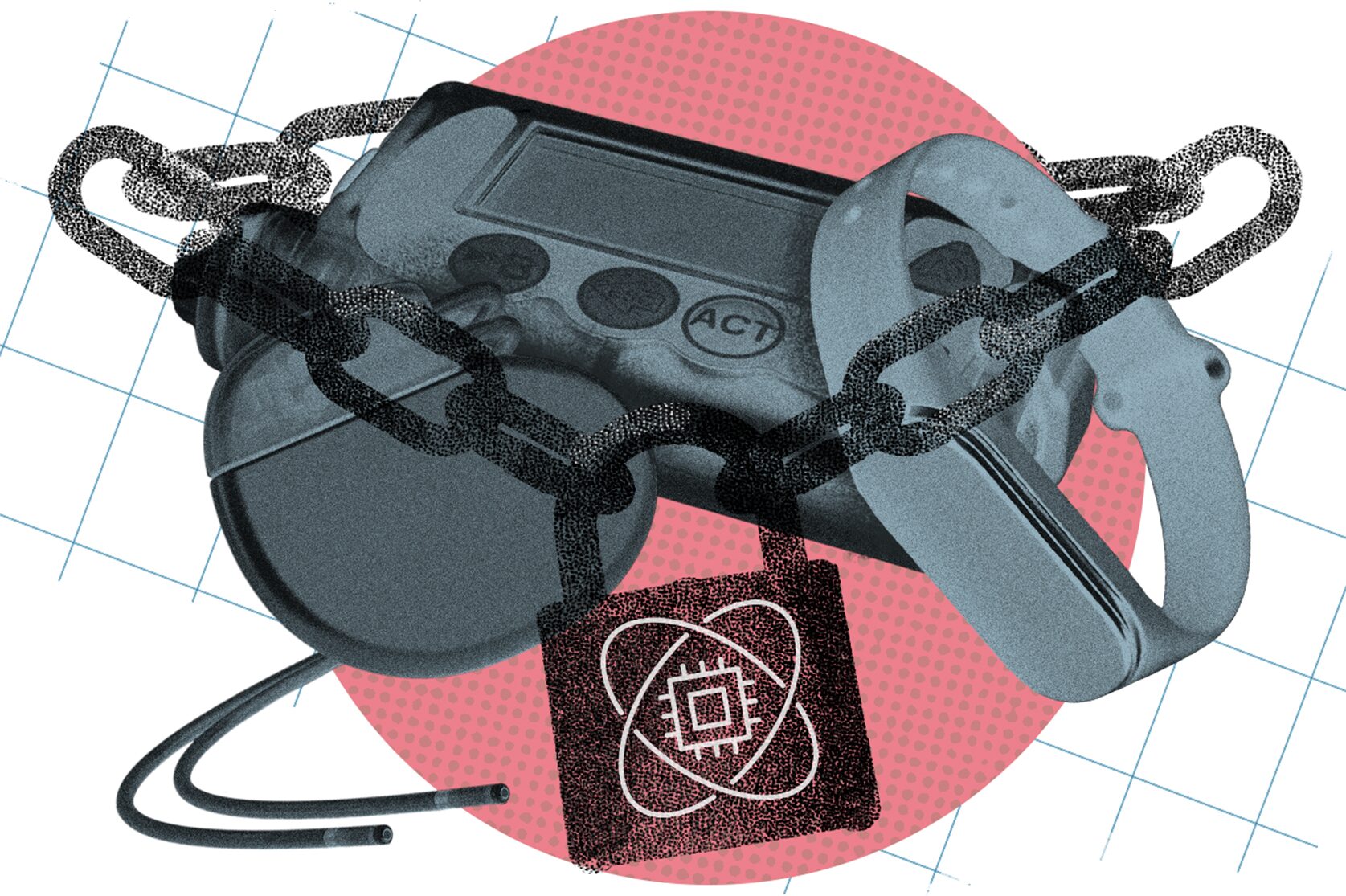
As quantum computers advance, they are expected to be able to break tried-and-true security schemes that currently keep most sensitive data secure from attackers. Scientists and policymakers are working to design and implement post-quantum cryptography to defend against these future attacks. MIT researchers have developed an ultra-efficient microchip that can bring post-quantum cryptography techniques to wireless biomedical devices, like pacemakers and insulin pumps. Such wearable, ingestible, or implantable devices are usually too power-constrained to implement these computationally demanding security protocols. Their tiny chip, which is about the size of a very fine needle tip, also includes built-in protections against physical hacking attempts that can bypass encryption to steal user data, such as a patient's social security number or device credentials. Compared to prior designs, the new technology is more than an order of magnitude more energy-efficient. In the long run, the...
learn more