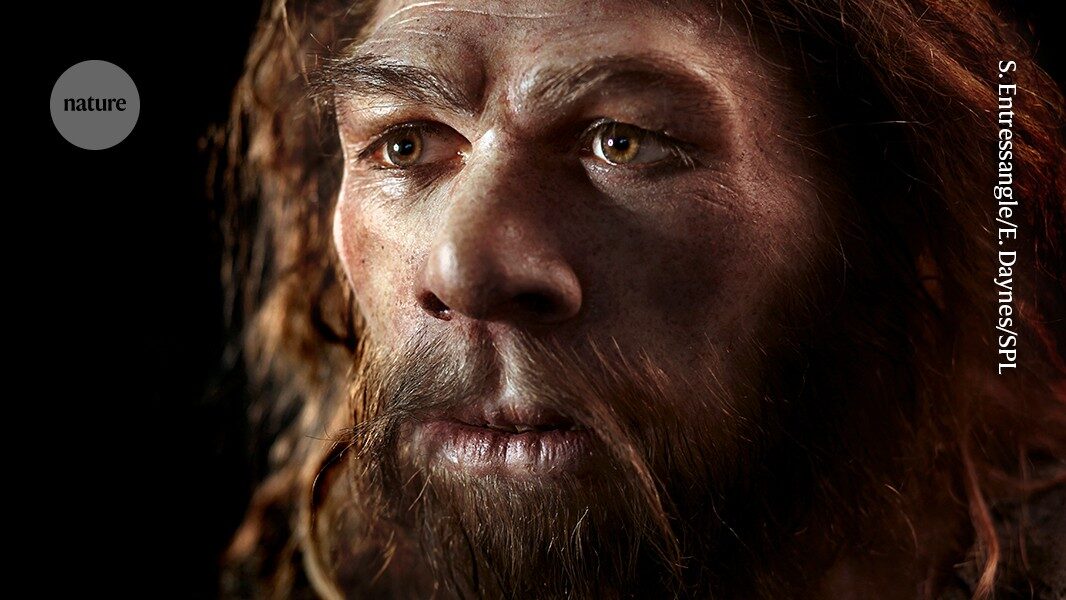
Prehistoric sexual proclivities helped to shape the human genome, according to a study1 of genetic material from three female Neanderthal specimens. The analysis suggests that female Homo sapiens and male Neanderthals (Homo neanderthalensis) mated more often than did male H. sapiens and female Neanderthals. The findings show how behaviour can shape human evolution, says study co-author Alexander Platt, an evolutionary geneticist at the University of Pennsylvania in Philadelphia. Human geneticists have often taken a 'bizarrely clinical approach' when looking at ancient genomes. But 'these are all people, and we know that people have bias, and we know people have preferences', he says. Determining how people behaved in the past is a tall order. In recent years, some studies2,3 have used genetics to uncover how historical events such as colonization and slavery have shaped the genomes of people living today. But this approach rarely extends past modern history. Modern humans can have...
learn more