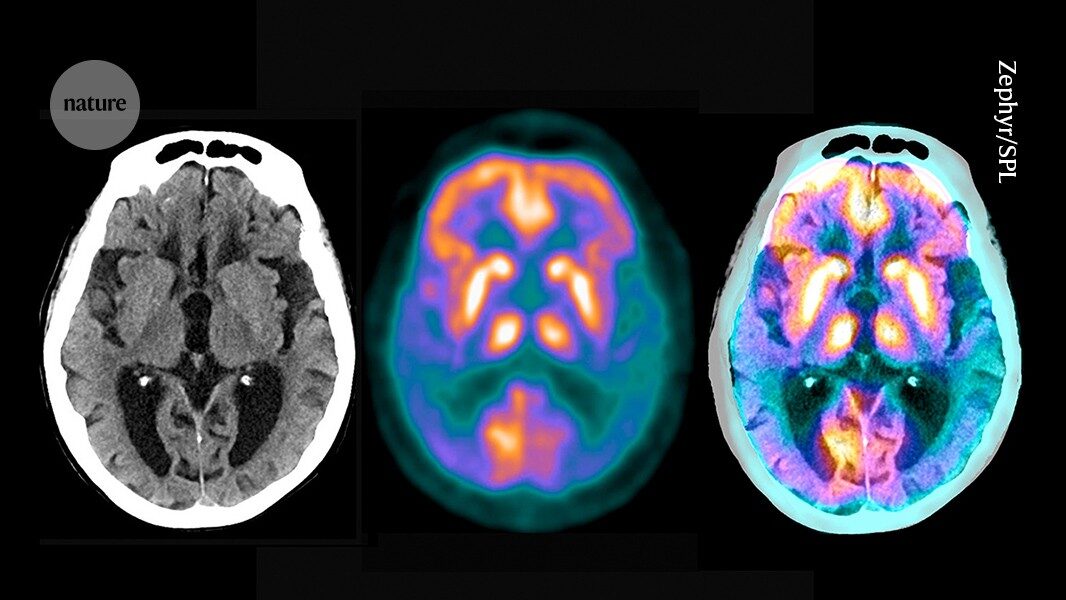
More than 1,000 previously overlooked 'microproteins' have been found in samples of human brain tissue, providing researchers with the most comprehensive database yet to study these hidden molecules inside the brain. Dozens of the tiny proteins showed altered expression in people with Alzheimer's disease, which could pave the way to unlocking new mechanisms of ageing and neurodegeneration. Microproteins are small proteins with fewer than 150 amino acids and are notoriously difficult to detect with standard gene and protein sequencing techniques. In a study published in Nature Aging on 14 September1, researchers combined several methods to pinpoint the tiny molecules in post-mortem samples of the dorsolateral prefrontal cortex ' a region of the brain involved in cognitive control ' from people with and without Alzheimer's disease. 'Alzheimer's disease is a proteinopathy [wherein] the pathology is in part due to the proteins that have misfolded or accumulated and evoked a toxic...
learn more