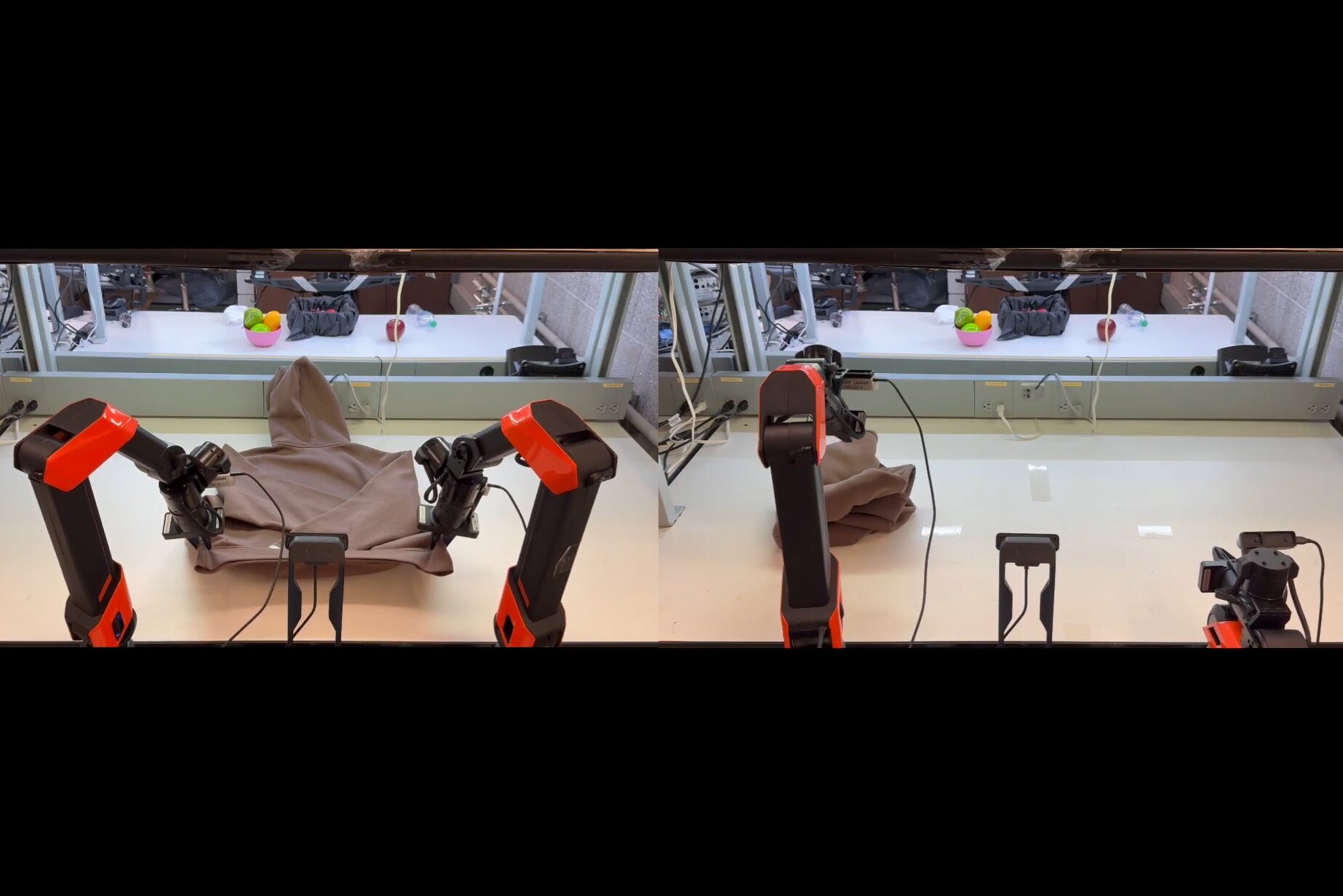
This technique enables the artificial intelligence model that plans a robot's motion to forecast its future position. The model uses this prediction to seamlessly transition current movements into the next actions. Many existing methods cause a robot to stop and think about what it needs to do next, leading to slow and jerky motions. By basing its calculations on the future state of the robot, rather than its current position, the MIT method helps robots operate much faster. This new method doubled the speed of robots performing activities like pick-and-place tasks, while significantly reducing lag time between motions. It also boosted the performance of robotic arms in highly dynamic activities, such as playing table tennis and Whack-a-Mole. The system could be especially useful for robots that perform fast and agile maneuvers in challenging real-world environments, like emergency response or search-and-rescue. It could also allow robots to react more quickly when recovering from...
learn more