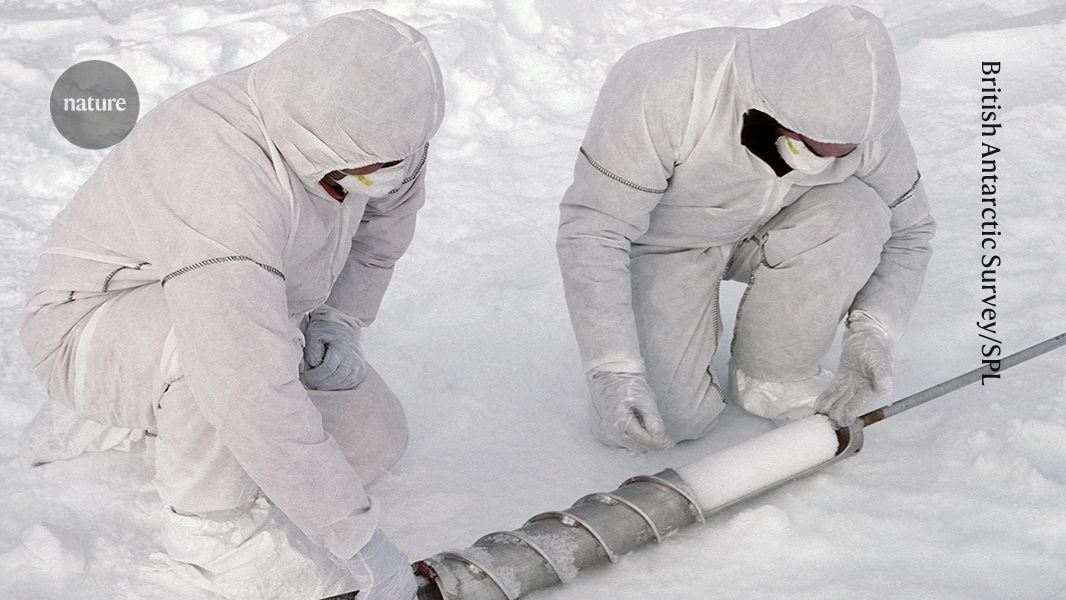
A Europe-wide collaboration has unveiled the longest continuous record of Earth's climate and atmospheric conditions, stretching back 1.2 million years. The data were extracted from a 2.8-kilometre-deep ice core drilled in Antarctica, and show how the concentration of carbon dioxide in the atmosphere tracked changes in global temperatures across multiple cycles of climate change. Researchers still have a great deal of information to extract from the ice, but 'what they've got so far is pretty amazing', says Edward Brook, a palaeoclimatologist at Oregon State University in Corvallis. 'We can now look at each cycle, see how they are different in CO2 concentration. We really didn't know that before.' The Beyond EPICA collaboration ' which involves laboratories in ten European countries ' presented the findings last week at the general assembly of the European Geosciences Union in Vienna. They have not yet been peer reviewed. The core covers a period during which Earth's ice ages...
learn more