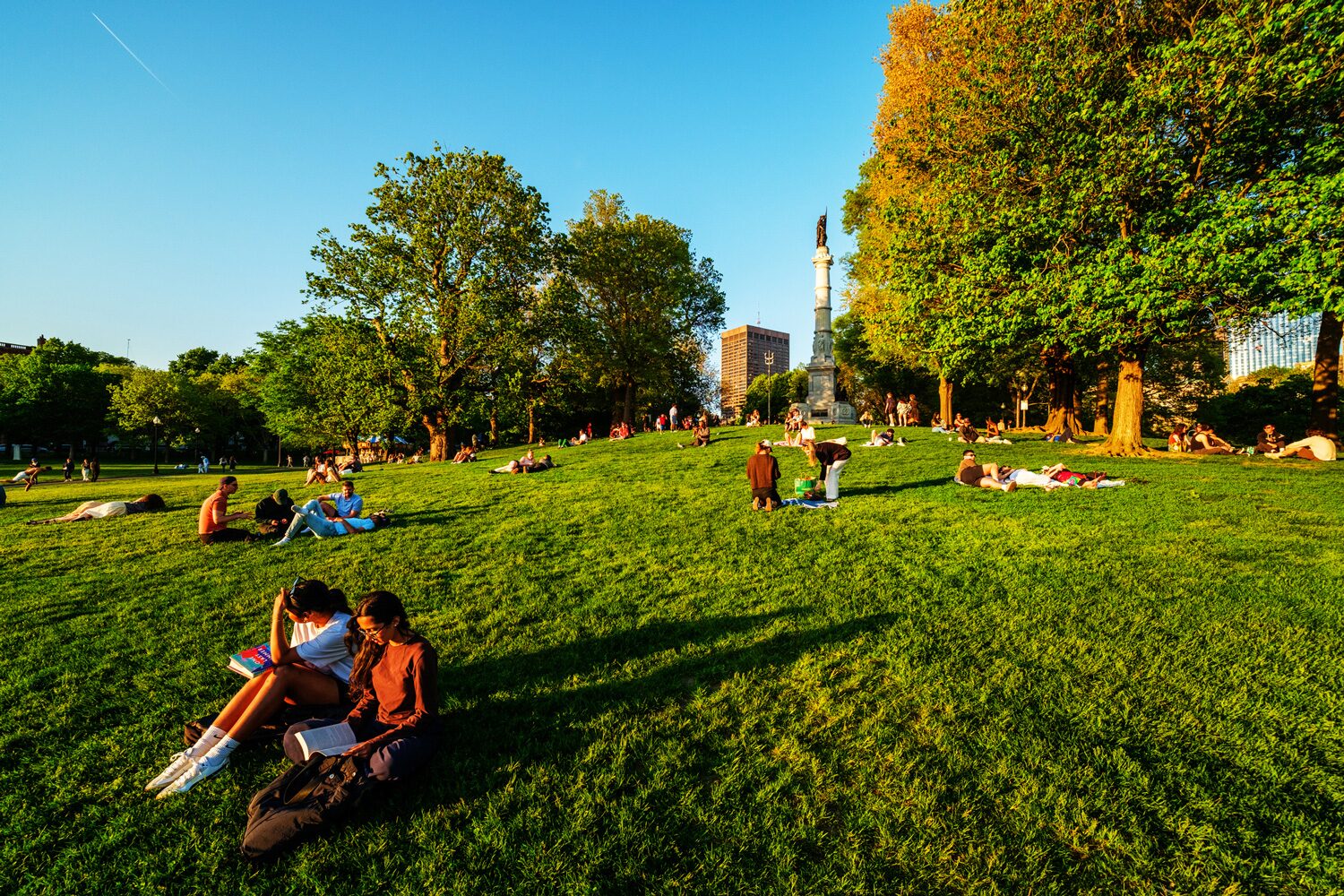
A new big-data analysis of the U.S. pinpoints how urban design aids the health of city residents ' especially when cities provide walking opportunities, greenery, and mixed-use streets with a blend of commercial and residential activity. The study examines tens of thousands of urban census-bureau tracts in the U.S., seeing how city features correlate with population health measures, while accounting for socioeconomic considerations as well. 'We found that on a very large scale, urban planning and design, such as the availability of different amenities and their spatial arrangement, plays a critical role in population health outomes,' says Winston Yap, a visiting scholar at the MIT Senseable City Lab, a postdoc at Cornell University, and co-author of a new paper outlining the study's findings. While there is not one design template for all locations, short and well-connected blocks with a variety of amenities, as well as the strategic placement of parks, all help well-being '...
learn more