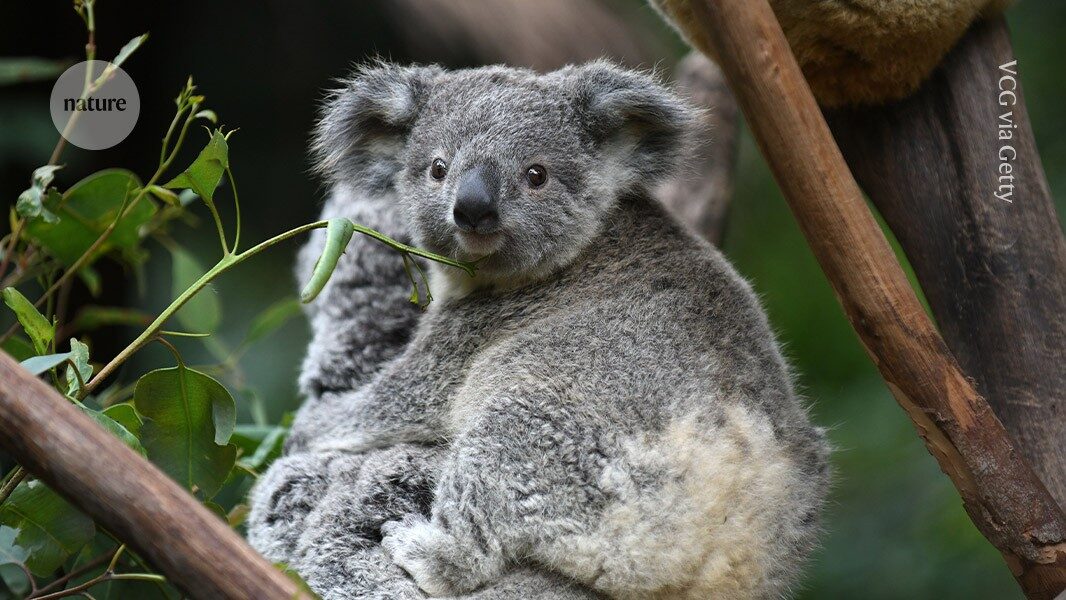
Once-threatened koala populations in parts of Australia are showing surprising signs of genomic recovery, according to a study that establishes a new way to assess the health of a population. It suggests that even species pushed to the brink of extinction can recover lost genetic diversity. In the late nineteenth and early twentieth centuries, millions of koalas (Phascolarctos cinereus), marsupials native to Australia, were killed for their fur, pushing them close to extinction in the state of Victoria. Conservation strategies helped to restore their numbers, but the population was left with low genetic diversity. It is thought that such genetic bottlenecks reduce a species' ability to evolve to protect itself from diseases or environmental change. Once genetic diversity is reduced significantly, says study co-author Collin Ahrens, it's rare to see it recover. 'In conservation genetics, we think the population with a high genetic diversity is healthier,' says Ahrens, who is the...
learn more