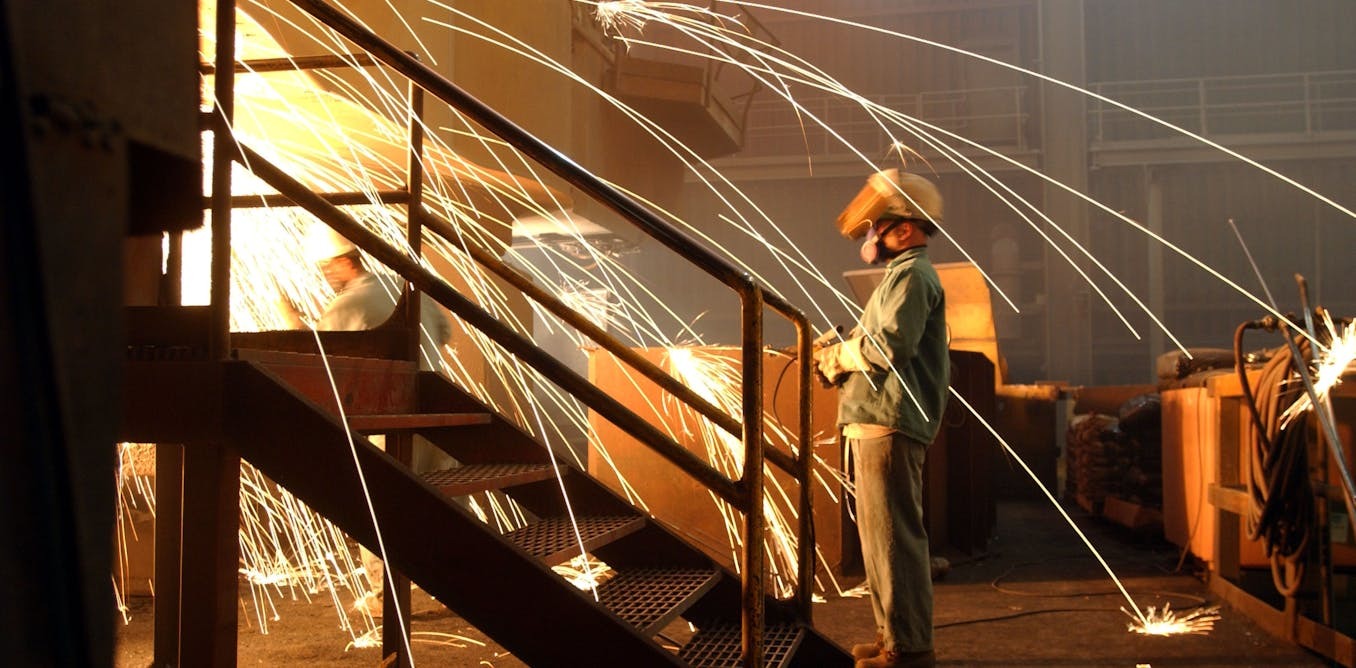
Many of the grant recipients were deploying carbon capture and storage ' technologies that are designed to prevent industrial carbon pollution from entering the atmosphere by capturing it and injecting it deep underground. The approach has long been considered critical for reducing the contributions chemicals, cement production and other heavy industries make to climate change. The U.S. power sector has made progress, cutting emissions 35% since 2005 as coal-fired power plants were replaced with cheaper natural gas, solar and wind energy. More than 93% of new grid capacity installed in the U.S. in 2025 was forecast to be solar, wind and batteries. In transportation, electric vehicles are the fastest-growing segment of the U.S. automotive market and will lead to meaningful reductions in pollution. But U.S. industrial emissions have been mostly unchanged, in part because of the massive amount of coal, gas and oil required to make steel, concrete, aluminum, glass and chemicals....
learn more