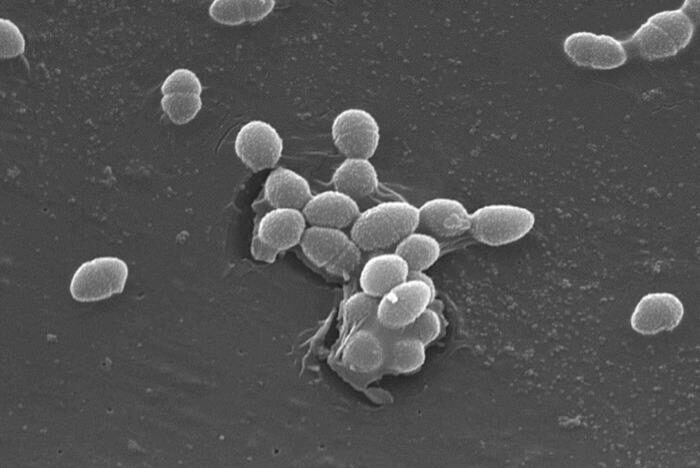
Chronic wound infections are notoriously difficult to manage because some bacteria can actively interfere with the body's immune defenses. In wounds, Enterococcus faecalis (E. faecalis) is particularly resilient ' it can survive inside tissues, alter the wound environment, and weaken immune signals at the injury site. This disruption creates conditions where other microbes can easily establish themselves, resulting in multi-species infections that are complex and slow to resolve. Such persistent wounds, including diabetic foot ulcers and post-surgical infections, place a heavy burden on patients and health care systems, and sometimes lead to serious complications such as amputations. Now, researchers have discovered how E. faecalis releases lactic acid to acidify its surroundings and suppresses the immune-cell signal needed to start a proper response to infection. By silencing the body's defenses, the bacterium can cause persistent and hard-to-treat wound infections. This explains...
learn more