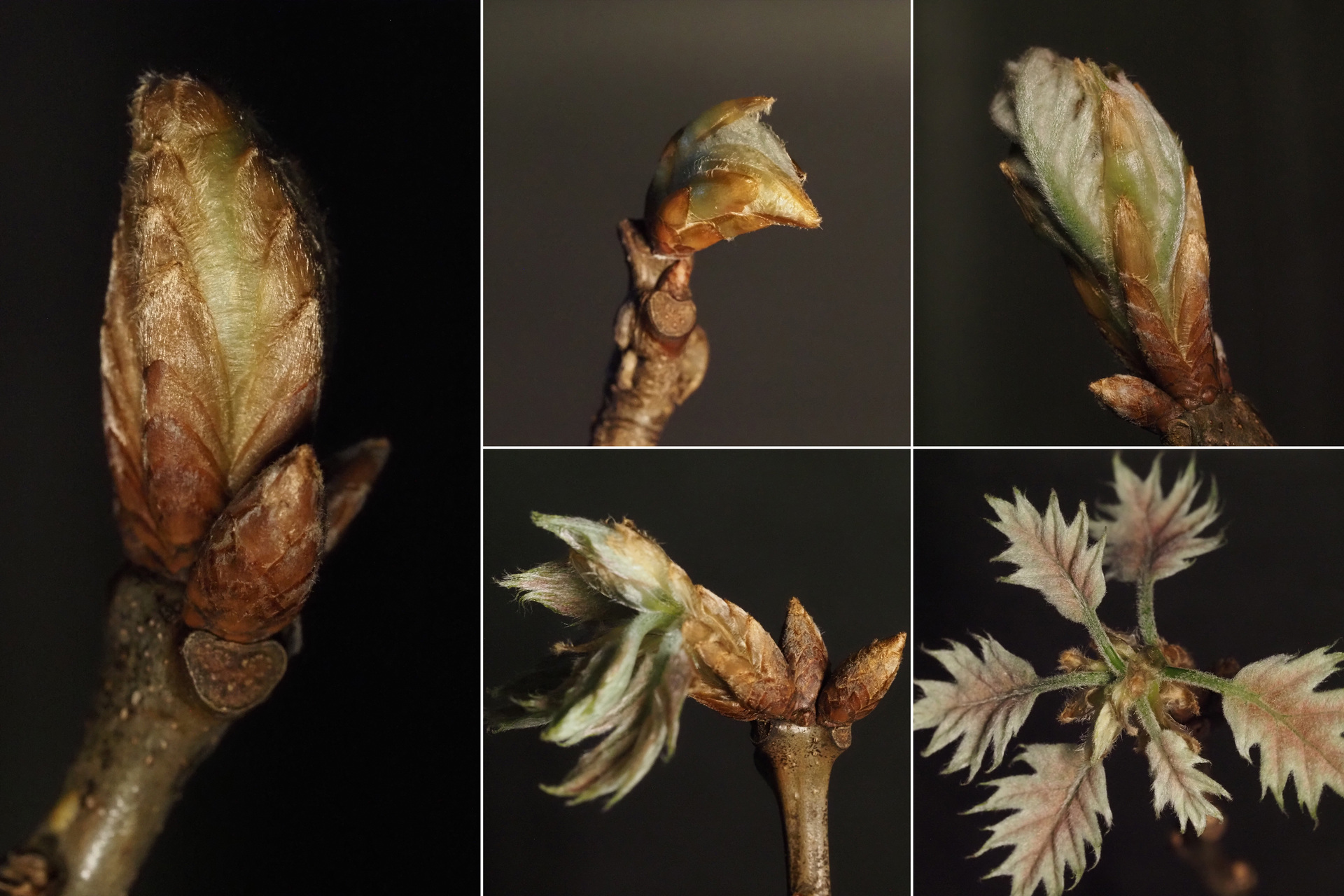
It's tricky to predict precisely what the impacts of climate change will be, given the many variables involved. To predict the impacts of a warmer world on plant life, some researchers look at urban 'heat islands,' where, because of the effects of urban structures, temperatures consistently run a few degrees higher than those of the surrounding rural areas. This enables side-by-side comparisons of plant responses. But a new study by researchers at MIT and Harvard University has found that, at least for forests, urban heat islands are a poor proxy for global warming, and this may have led researchers to underestimate the impacts of warming in some cases. The discrepancy, they found, has a lot to do with the limited genetic diversity of urban tree species. 'The appeal of these urban temperature gradients is, well, it's already there,' says Des Marais. 'We can't look into the future, so why don't we look across space, comparing rural and urban areas'' Because such data is easily...
learn more