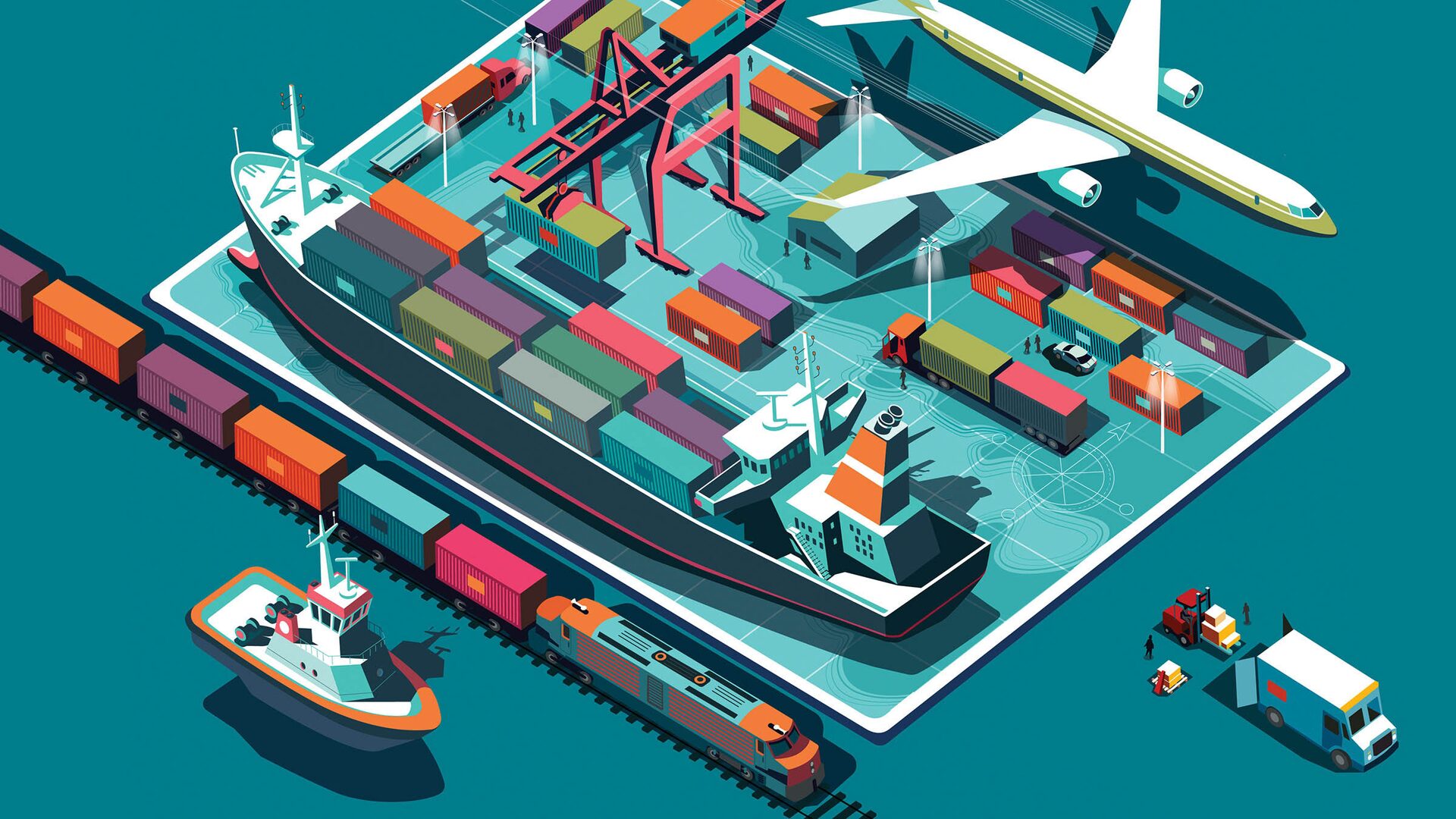
Global supply chains are being reshaped by constantly changing rules: tariffs, export controls, sanctions, and shifting geopolitical alliances. In this environment traditional resilience strategies'keeping buffer inventories, diversifying suppliers, and engaging in collaborative planning with others in the supply chain'aren't enough. Instead, say the authors, companies should design their supply chains as portfolios of real options, which will preserve their ability to defer investments, abandon unfavorable positions, expand in promising regions, or shift operations as policies evolve. As companies such as Apple and Zara have demonstrated, building flexibility this way can become a strategic advantage. Leaders must keep in mind that optionality depends on capabilities that cannot be built overnight, including strong supplier relationships, regulatory expertise, and local production know-how. Leaders must therefore rethink capital allocation and invest early in the infrastructure...
learn more