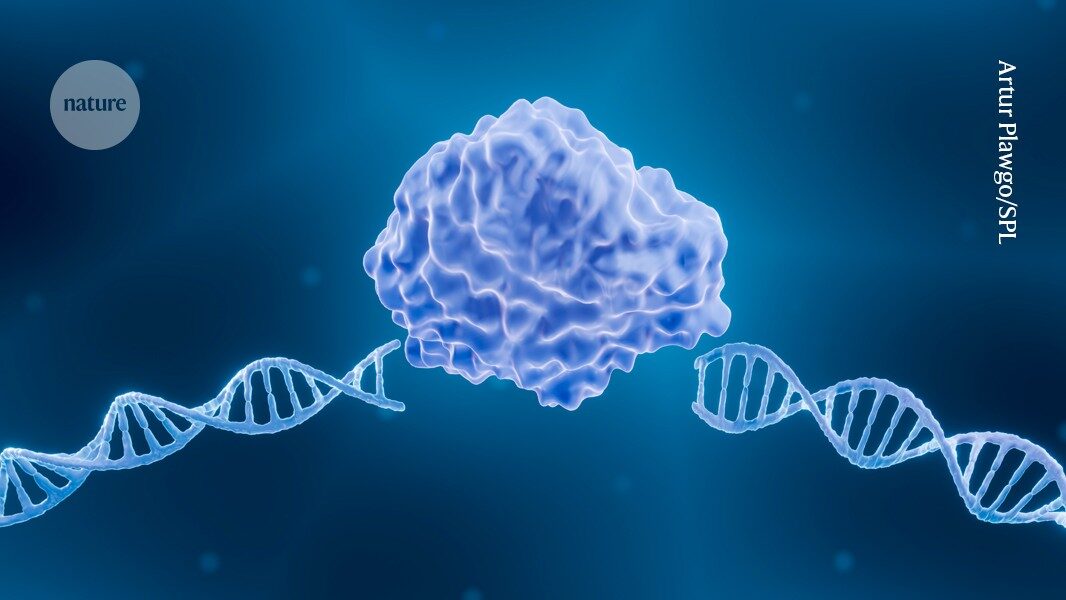
Scientists have harnessed artificial-intelligence models to create synthetic CRISPR proteins that edit the genome more efficiently than their naturally occurring counterparts. Such synthetic CRISPR systems could one day power discoveries in fields from medicine to agriculture. 'Much like CRISPR democratized the ability to edit DNA at will, AI-based protein design promises to allow anyone to create totally novel properties in the protein space,' says Soeren Lienkamp, a molecular biologist at the University of Zurich in Switzerland who was not involved in the research. He adds that the paper 'marries two transformative fields': AI-guided design and enzymes called RNA-guided nucleases, which can cut DNA and RNA strands. These nucleases form the backbone of the gene-editing system known as CRISPR, which uses a 'guide RNA' to direct the nuclease to a target DNA sequence. The nuclease then acts like molecular scissors and snips out the targeted material, enabling scientists to edit,...
learn more