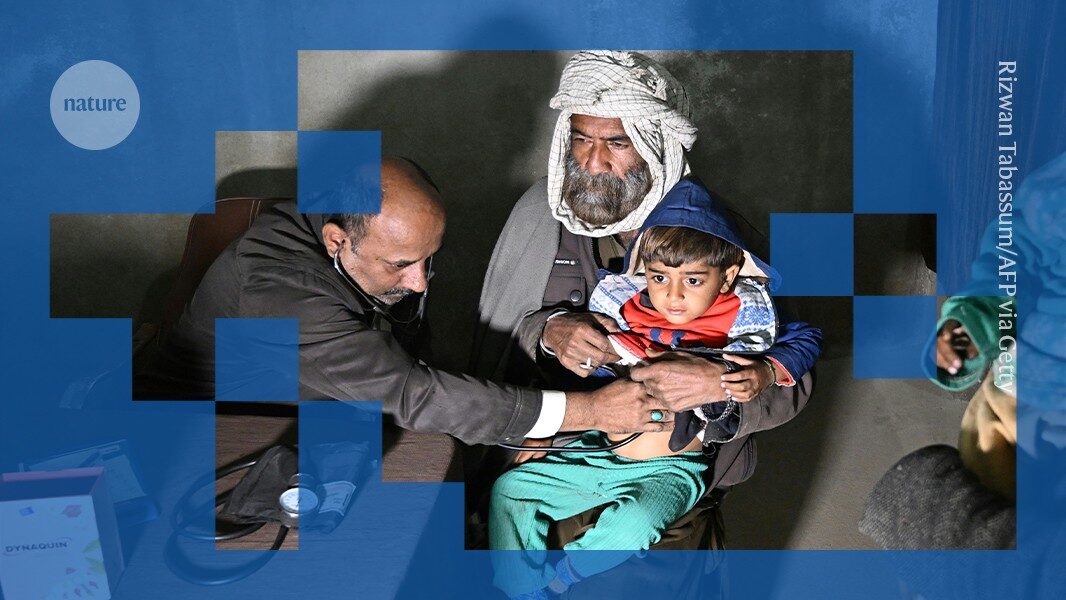
Large language models (LLMs) can pass postgraduate medical examinations and help clinicians to make diagnoses, at least in controlled benchmarking tests. But are they useful in real-world settings, which have too few physicians to check the answers, as well as long patient lists and limited resources' Two studies published in Nature Health on 6 February suggest that they are up to the task. The work reveals that cheap-to-use LLMs can boost diagnostic success rates, even outperforming trained clinicians, in health-care settings in Rwanda1 and Pakistan2. In Rwanda, chatbot answers outscored those of local clinicians across every metric assessed. And in Pakistan, physicians using LLMs to aid their diagnosis achieved a mean diagnostic reasoning score of 71%, versus 43% for those using conventional resources. 'The papers highlight how LLMs might be able to support clinicians in lower- and middle-income countries to improve the level of care,' says Caroline Green, director of research at...
learn more