



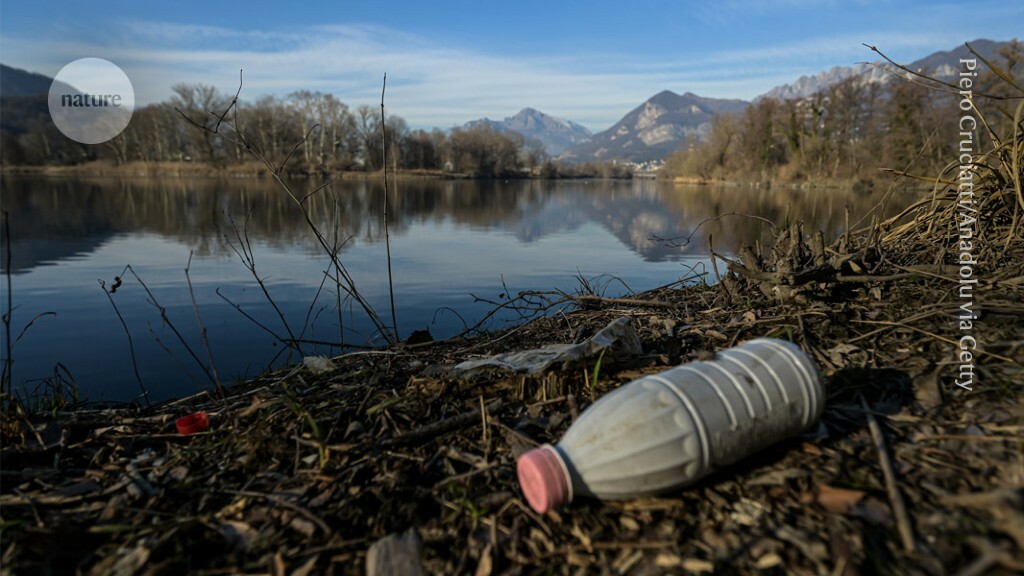
The presence of microplastics in layers of material that settle at the bottom of lakes might be an unreliable way to determine the onset of the Anthropocene ' the geological epoch marking the consequences of human activity on the environment. That is the conclusion of researchers who have shown that tiny plastic particles can infiltrate deep into old sediments. The date when the Anthropocene began is still being debated. But the presence of microplastics is one of the measures that geologists look at when analysing material from lakes and seas to see whether human activity has made an impact. And microplastic content has also been suggested as a way to date geological sediments. They found 14 types of plastic in sediment samples. In all three of the lakes, the most recent, uppermost sediment layers contained the most plastic particles. But the team also found that smaller, narrower particles had travelled down into much older sediments that formed long before plastic production...
learn more

Ratings & Reviews

Entrepreneur & Investor
YOU MIGHT ALSO LIKE