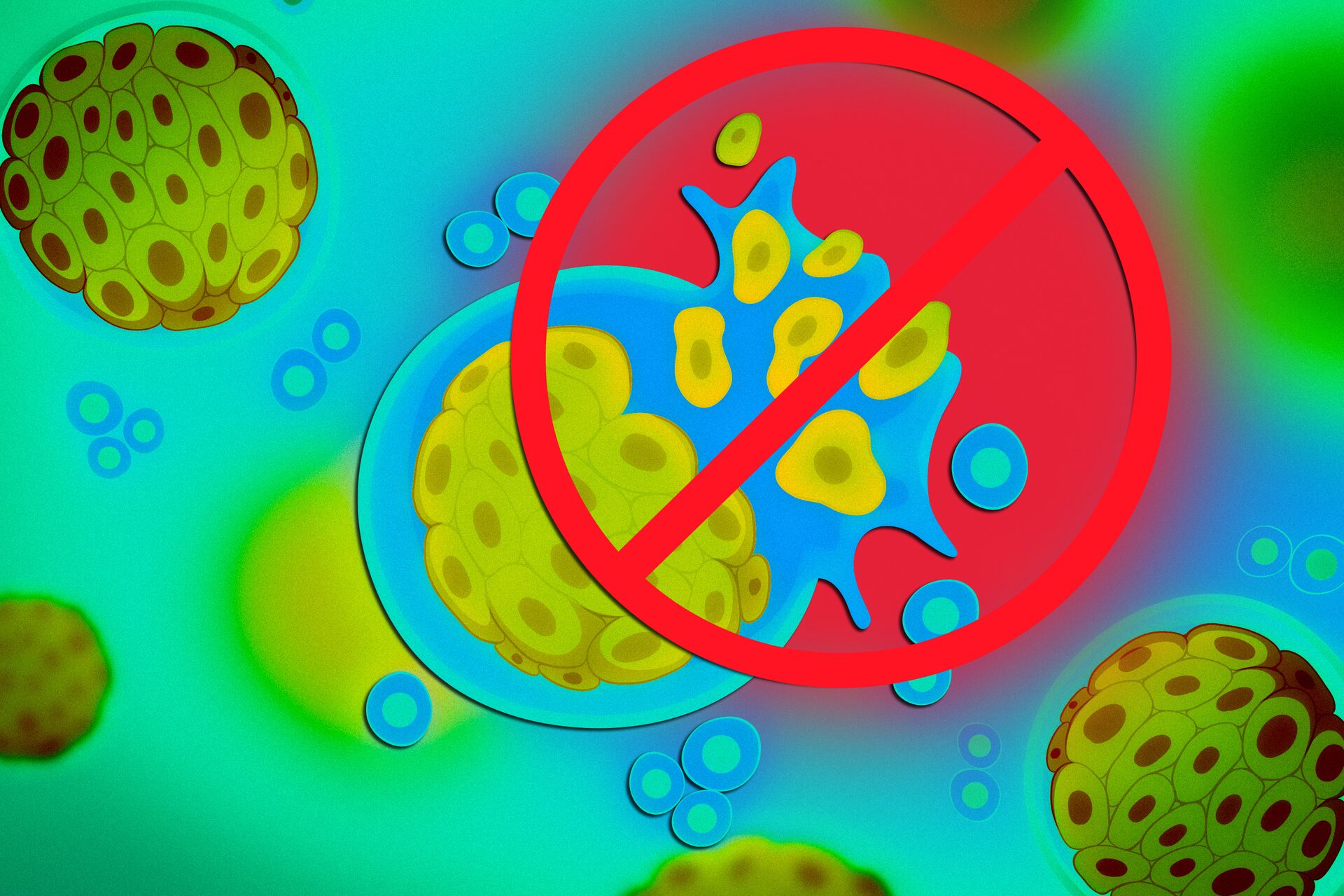
Most colon cancer deaths are caused by the spread of tumor cells beyond the colon, usually to the liver. In a new study, MIT biologists identified a cellular pathway necessary for colorectal cancer metastasis. The pathway they identified, controlled by a protein known as YAP1, is normally involved in tissue repair. When activated in cancer cells, it promotes cell proliferation and migration. The researchers also found that a high-fat diet is more likely to turn on this pathway, through the production of fatty molecules called ceramides. 'We've found a pathway that we think is druggable. If we shut down the enzymes that make ceramides, tumor cells can't switch on this regenerative program, and they largely fail to seed metastases in the liver,' says Omer Yilmaz, director of the MIT Stem Cell Initiative, a professor of biology at MIT and a member of MIT's Koch Institute for Integrative Cancer Research. He is also a gastrointestinal pathologist and director of translational research in...
learn more