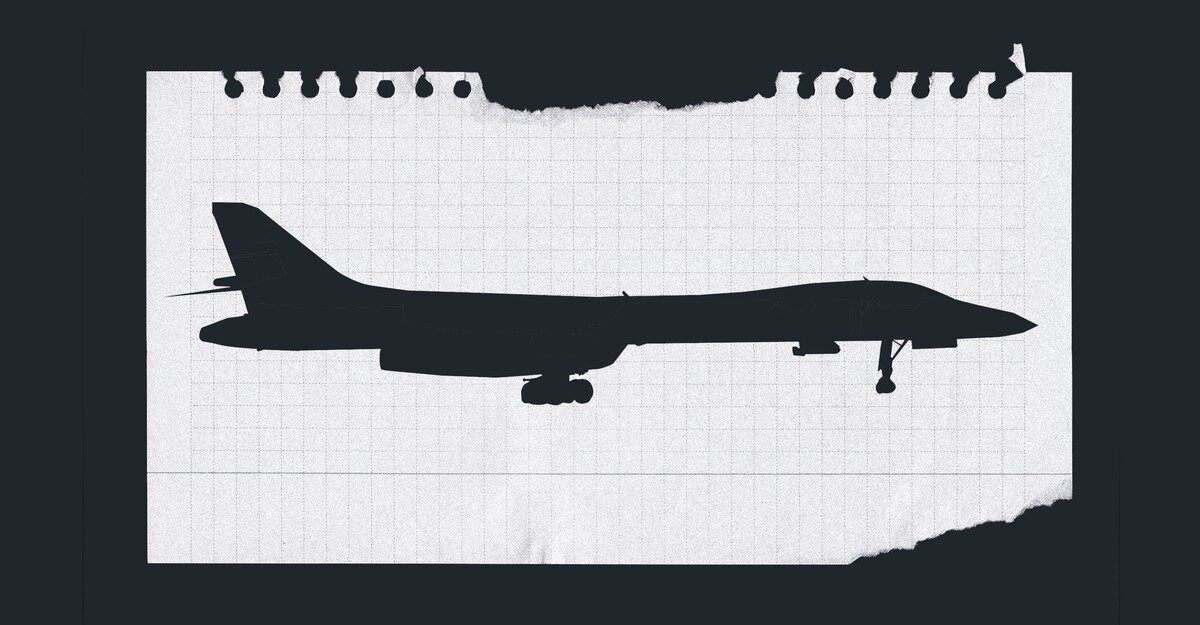
The American-Israeli war with Iran has primarily taken the form of an air campaign, a very different mode of war than ground operations'one with its own goals, strengths, and limitations. After the previous independent air campaign of this kind, in the 1991 Gulf War, I led the U.S. Air Force's assessment of the effort, the Gulf War Air Power Survey. The present campaign differs in important respects, but the same kind of questions posed then can help make sense of what we're seeing now. Airpower is peculiar in many ways. An old saw has it that a bomber is a thunderbolt, contained in an eggshell, invisibly tethered to a base. It captures some important truths: Aircraft can deliver tremendous violence from a platform that is intrinsically vulnerable, and that requires a well-protected base and skilled maintenance staff, the unsung heroes of air operations. More than that, airpower is unusual: Unlike land or sea forces, airplanes can linger (loiter is the technical term) over a target...
learn more