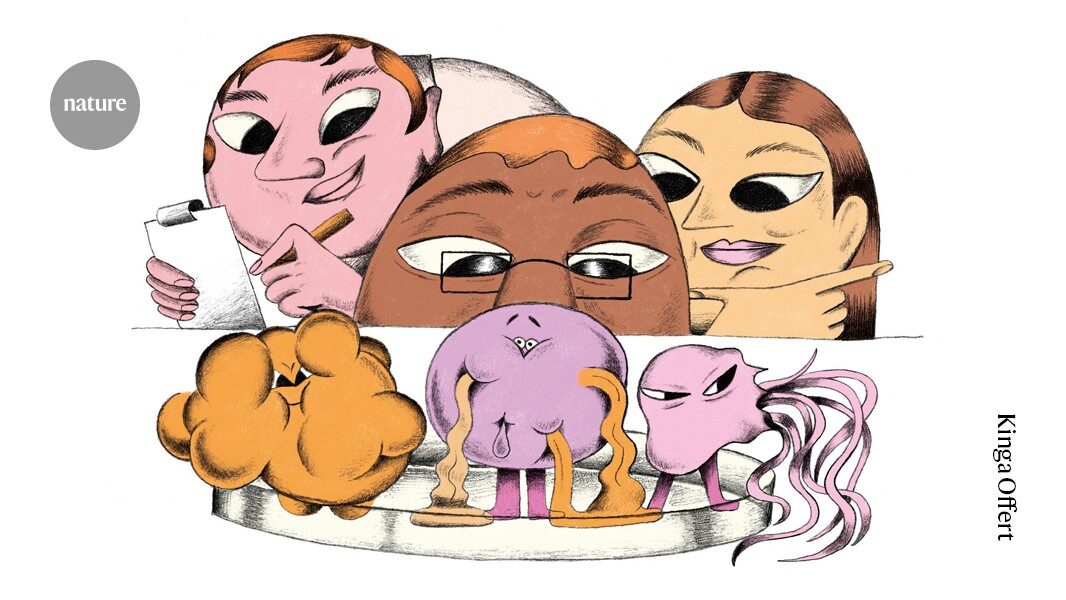
The team named the phenomenon alkaliptosis1. The work not only expanded scientists' understanding of how cells can die and how pH controls their fate, but also suggested an entirely new way to kill cancer cells, says Tang, who did the studies while at the University of Pittsburgh in Pennsylvania and now works at the University of Texas Southwestern Medical Center in Dallas. Tang's experience has been repeated again and again in the twenty-first century, with scientists describing 20 or so new kinds of cell death ' and counting ' since 1999 (see 'Many ways to die'). This is a major change: researchers used to think there were two main ways cells could die. Death could happen by accident, such as when a cell is squashed, sliced or otherwise destroyed; this is called necrosis. The other classical option is apoptosis: a highly regulated, stepwise and tidy process in which the cell releases little 'blebs' of membrane that the immune system can sweep away. For a long time, those two...
learn more