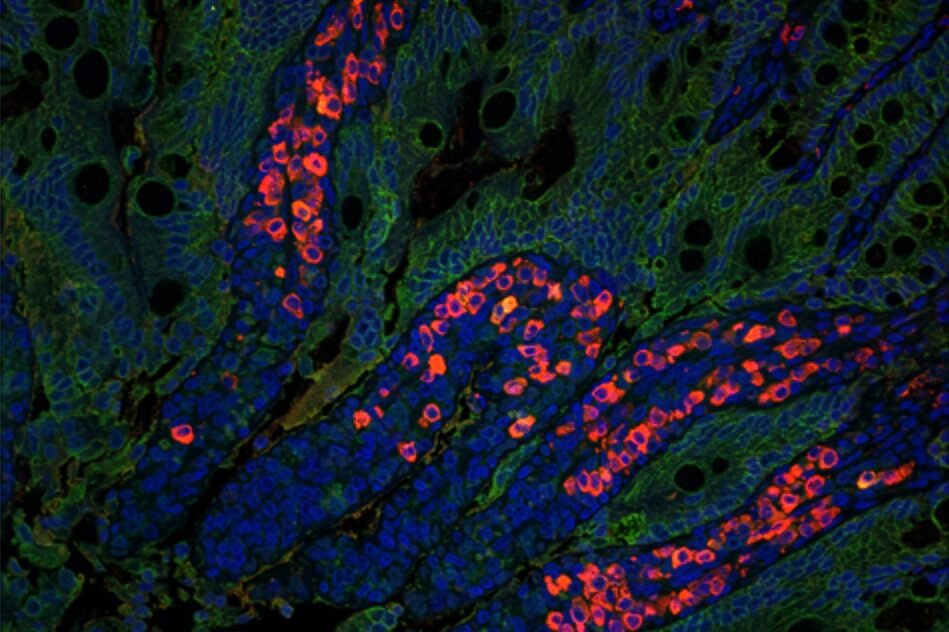
In the United States, children routinely receive an injectable form of the polio vaccine. This vaccine is very effective at preventing illness, but it doesn't block transmission of the polio virus as well as the oral polio vaccine does. Poliovirus is usually transmitted through contaminated food or water, so the GI tract is where the body is first exposed. Because the oral vaccine induces a mucosal immune response within the GI tract, it is much more effective at preventing infection and spread of the virus. However, there is a small chance that the oral vaccine can become infectious, so many countries have stopped using it. Researchers at MIT have now come up with a way to modify the injectable vaccine so that it can also promote a mucosal immune response. This vaccine could help to achieve polio eradication while avoiding the risks of the oral polio vaccine. 'People who are vaccinated with the injectable vaccine are not getting sick, but they may be helping the virus circulate....
learn more