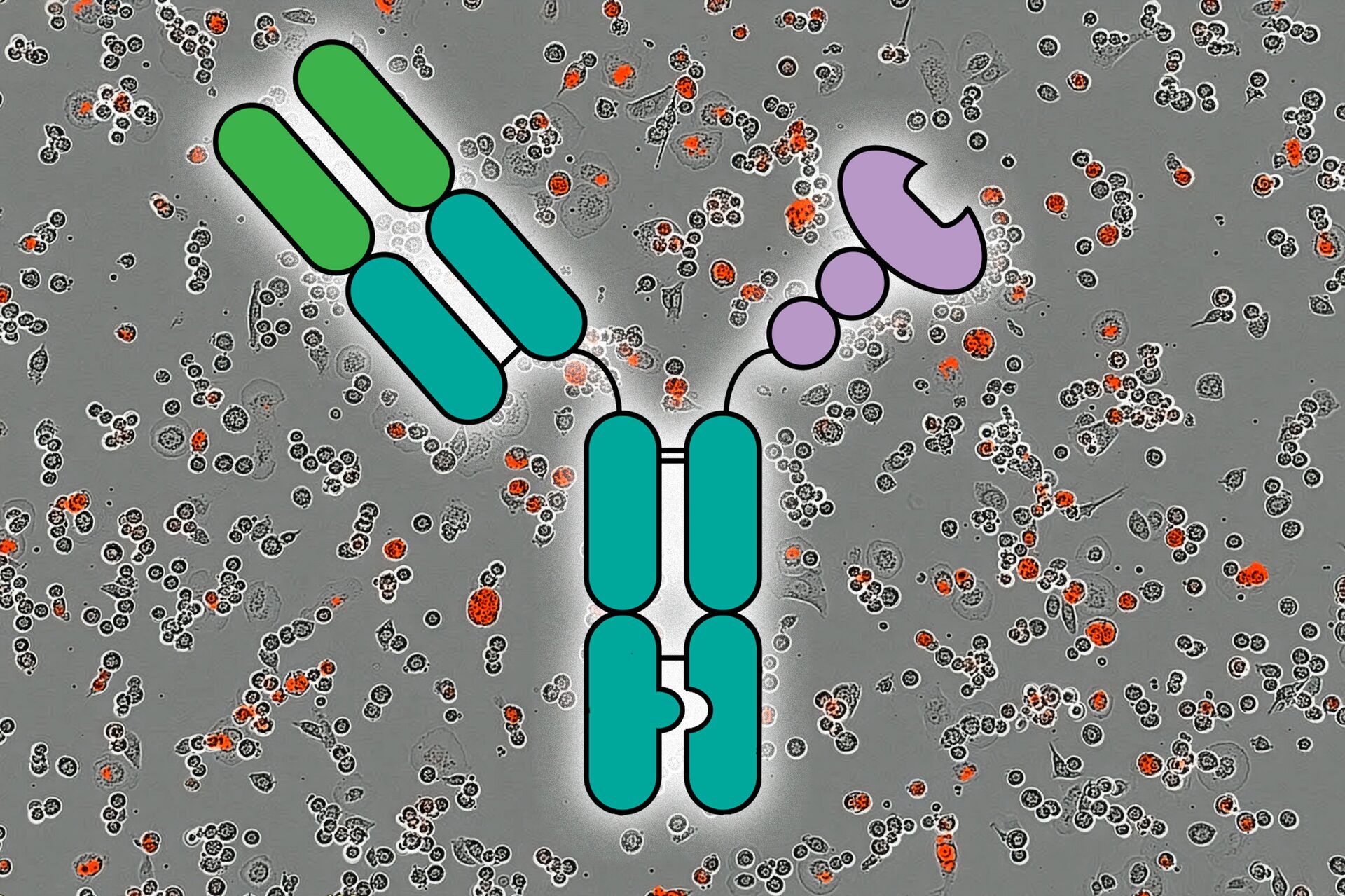
Researchers at MIT and Stanford University have developed a new way to stimulate the immune system to attack tumor cells, using a strategy that could make cancer immunotherapy work for many more patients. The key to their approach is reversing a 'brake' that cancer cells engage to prevent immune cells from launching an attack. This brake is controlled by sugar molecules known as glycans that are found on the surface of cancer cells. By blocking those glycans with molecules called lectins, the researchers showed they could dramatically boost the immune system's response to cancer cells. To achieve this, they created multifunctional molecules known as AbLecs, which combine a lectin with a tumor-targeting antibody. 'We created a new kind of protein therapeutic that can block glycan-based immune checkpoints and boost anti-cancer immune responses,' says Jessica Stark, the Underwood-Prescott Career Development Professor in the MIT departments of Biological Engineering and Chemical...
learn more