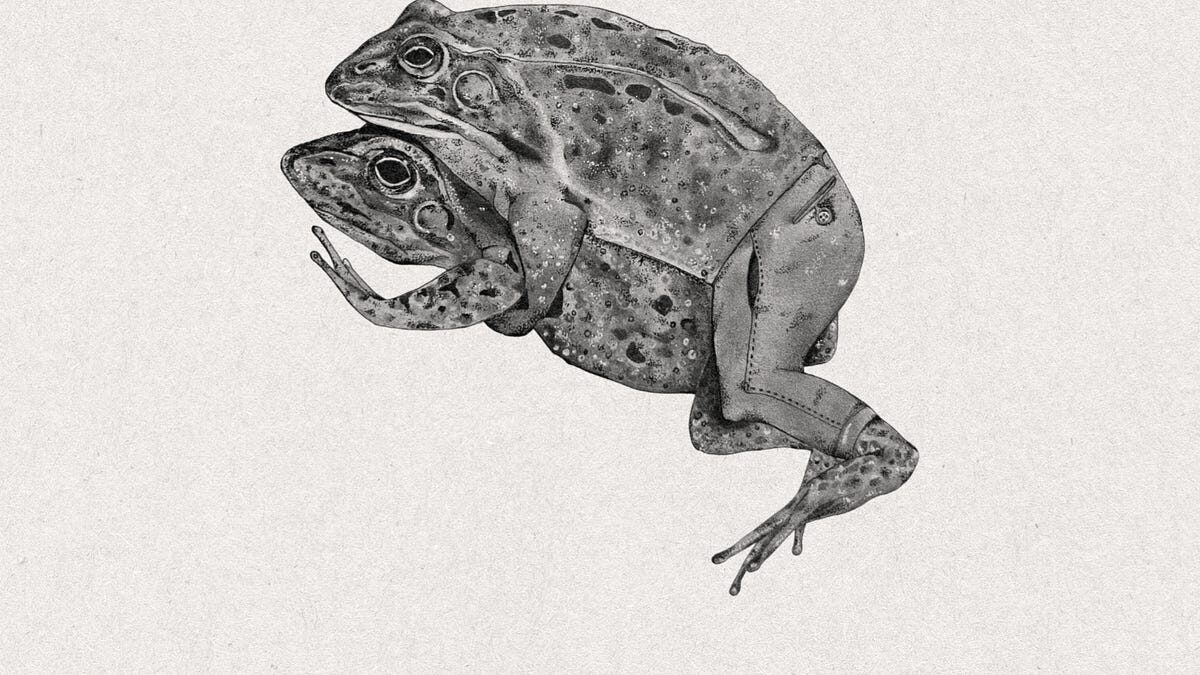
Until the 20th century, there was no easy way to detect a pregnancy. One could wait for two missed menstrual cycles, watch for the first signs of a baby bump, or listen closely for a fetal heartbeat, but none of these methods work until several months into gestation. Ancient and medieval sources describe a variety of possible tests to determine whether a person was pregnant, but none were remotely reliable by modern standards.1 In the 19th and 20th centuries, researchers began looking for a solution in the emerging science of endocrinology, the systematic study of hormones. It was during this era that doctors and biologists began to shift from studying anatomy (observing the mechanics of visible organs) to exploring the invisible potency of 'internal secretions' and 'juices' that directed bodily phenomena. Early experiments by endocrinologists were crude, however, usually involving the injection of fluids from one animal (or human) into another and seeing what happened. One...
learn more