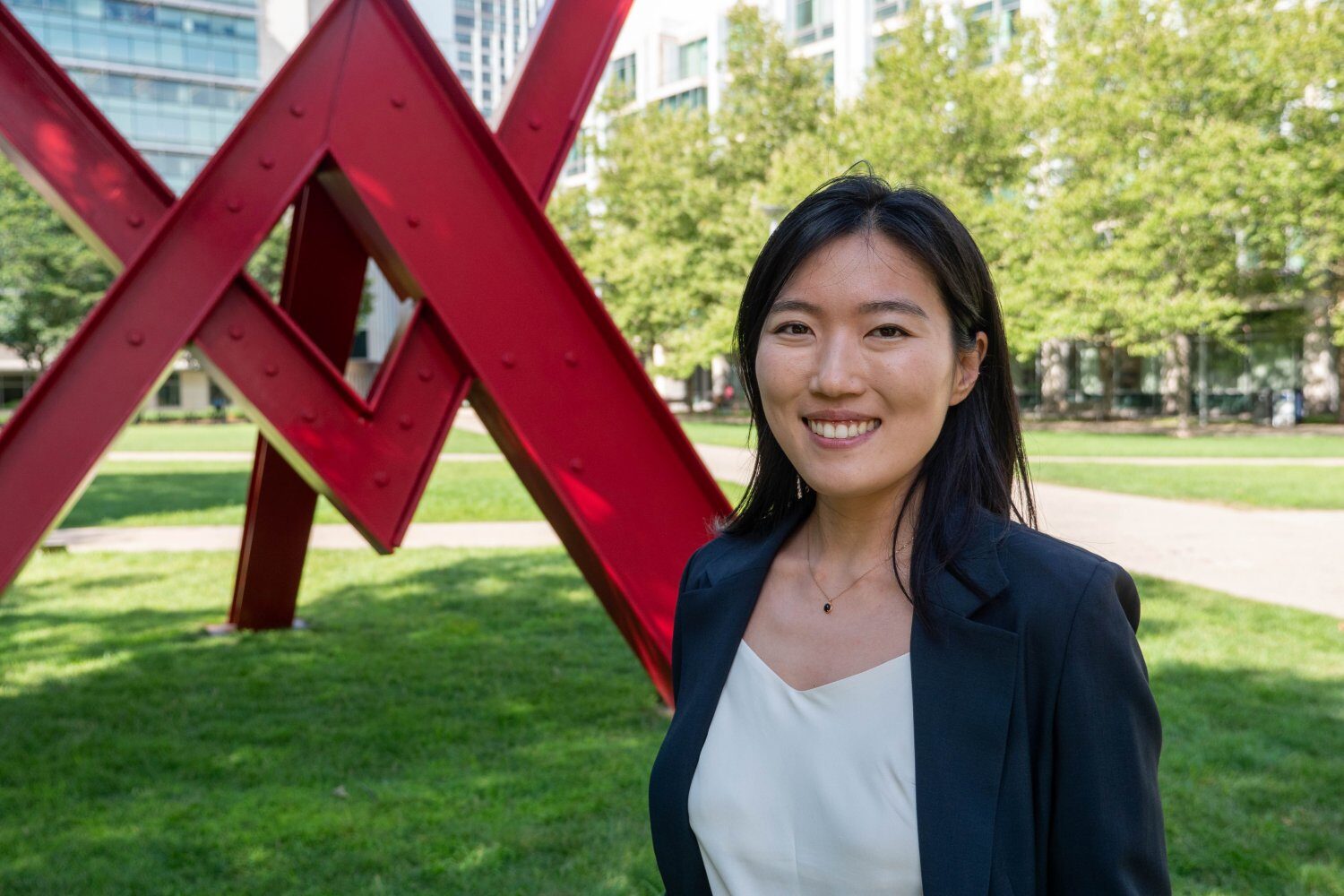
Today, out of an estimated 1 trillion species on Earth, 99.999 percent are considered microbial ' bacteria, archaea, viruses, and single-celled eukaryotes. For much of our planet's history, microbes ruled the Earth, able to live and thrive in the most extreme of environments. Researchers have only just begun in the last few decades to contend with the diversity of microbes ' it's estimated that less than 1 percent of known genes have laboratory-validated functions. Computational approaches offer researchers the opportunity to strategically parse this truly astounding amount of information. An environmental microbiologist and computer scientist by training, new MIT faculty member Yunha Hwang is interested in the novel biology revealed by the most diverse and prolific life form on Earth. In a shared faculty position as the Samuel A. Goldblith Career Development Professor in the Department of Biology, as well as an assistant professor at the Department of Electrical Engineering and...
learn more